

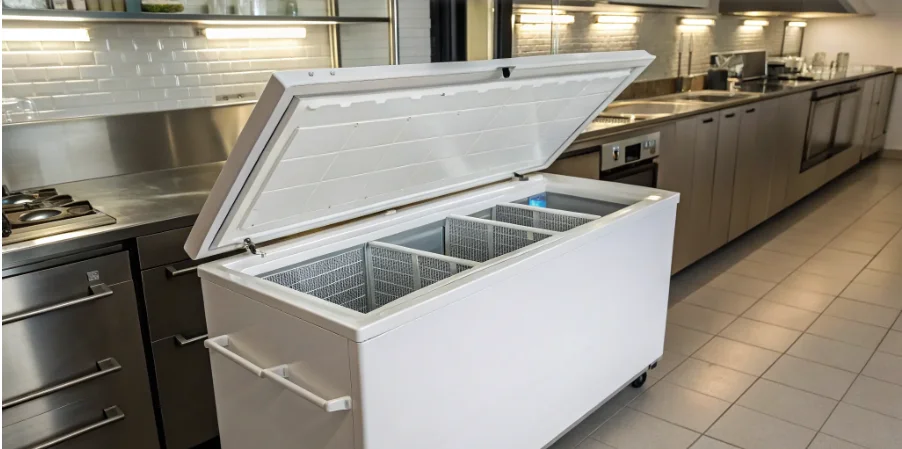
Chest freezers are a game‑changer for anyone needing extra cold storage, whether you’re preserving bulk meat, preparing for seasonal harvests, or simply buying frozen goods in bulk. But with so many sizes, features, and brands out there, picking the right one can feel overwhelming. In this guide, we’ll walk you through everything you need to know: key features, what to look for, common pitfalls, and recommendations of top models in 2025.
Table of Contents
- What Is a Chest Freezer, and Why Choose One
- Key Features to Look For
- Size & Capacity Considerations
- Energy Efficiency & Running Costs
- Defrosting Mechanisms
- Organization & Accessories
- Best Chest Freezer Models of 2025
- Maintenance Tips & When to Call a Professional
- FAQs
- Summary
1. What Is a Chest Freezer, and Why Choose One
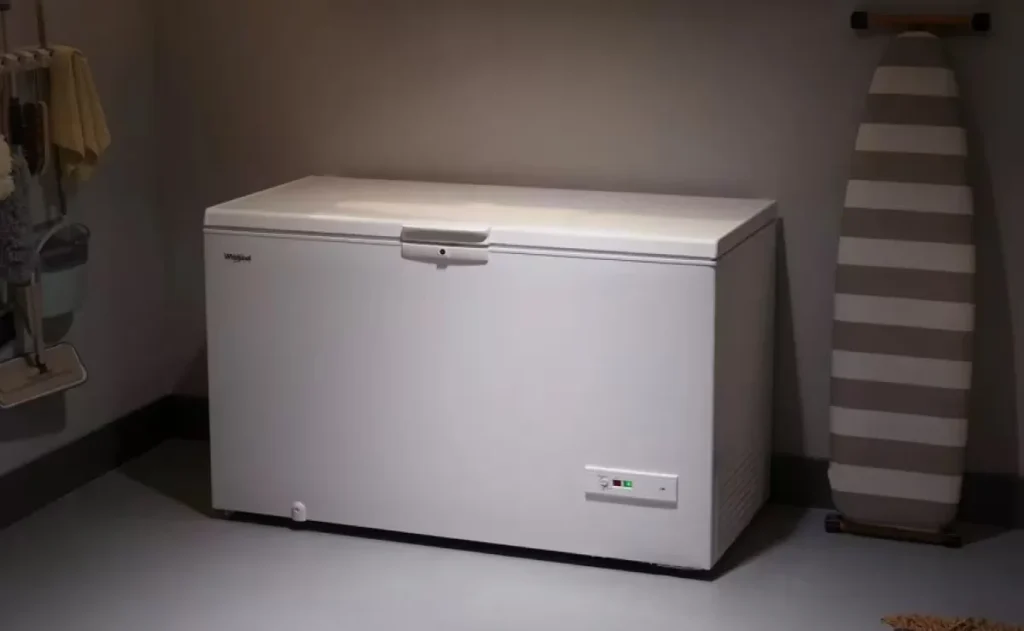
A chest freezer is a standalone freezer unit shaped like a large box with a top lid that opens upward. Unlike upright freezers, chest freezers tend to:
- Be more energy‑efficient because cold air settles and is less likely to spill out when the lid is opened.
- Offer more usable capacity for the same listed size.
- Maintain colder temperatures in the event of power outages for a longer period.
These advantages make them excellent for long‑term storage, rural households, food businesses, or anyone who wants a reliable backup freezer.
2. Key Features to Look For
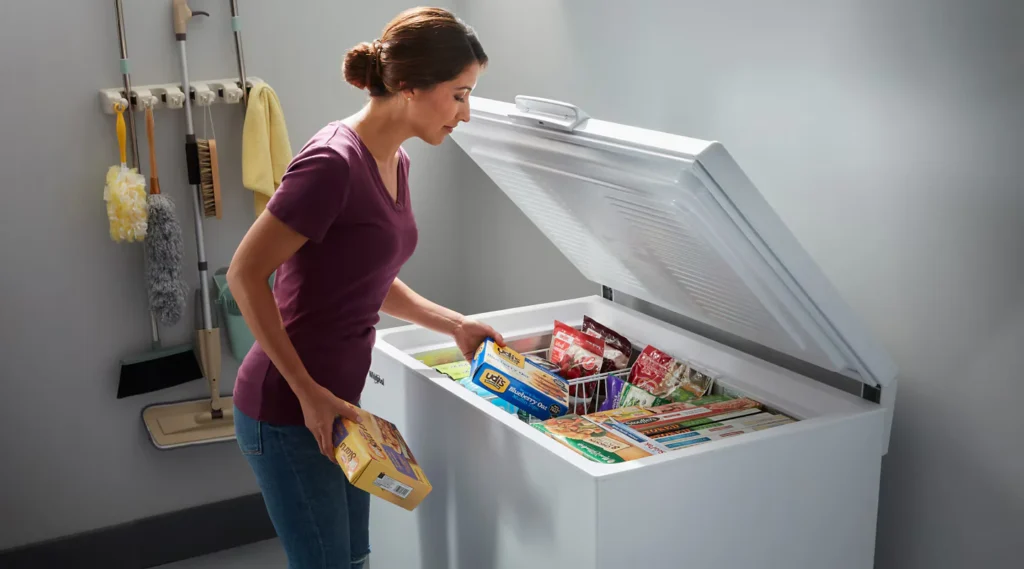
When shopping, consider these features closely:
- Temperature Range & Control: Does the freezer go cold enough (typically −10 °F to −20 °F / −23 °C to −29 °C) and allow you to adjust precisely?
- Insulation Thickness: Thicker walls or high‑density foam insulation help with colder interior temperature stability and energy savings.
- Seal Quality & Lid Type: A tight gasket ensures minimal air exchange. Some lids are hinged, others have sliding doors or even dual lids.
- Lock & Drain Plug: If you plan to use it outdoors or in less accessible areas, a lock is helpful. A drain plug speeds up defrosting and cleaning.
- Interior Lighting: Some units have interior lights—convenient for dark basements or garages.
- Alarm System: Alarms (audible or via indicator lights) warn you if the temperature rises or if the lid is left ajar.
3. Size & Capacity Considerations
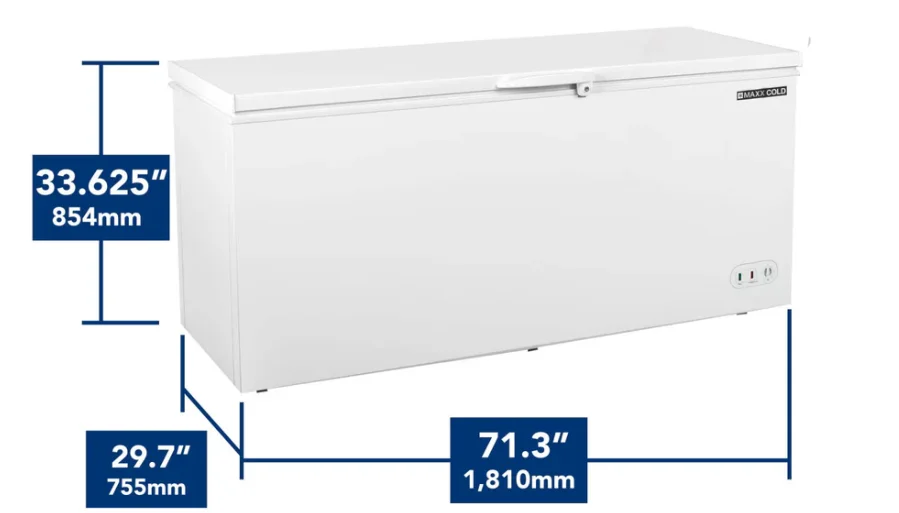
- Available Space: Measure where you plan to place it—door clearance, ceiling height (for lid opening), and surrounding ventilation. Chest freezers need a few inches of clearance on all sides.
- How Much Storage You Need: Think about how many people you’re serving, whether you’ll store large items, bulk packaging, or many small packages. Freezers are commonly measured in cubic feet (CU FT).
- Fullness vs. Empty: A mostly full chest freezer stores cold better than a nearly empty one. If buying new and unfilled yet, consider using bottles of water to fill the space temporarily.
4. Energy Efficiency & Running Costs
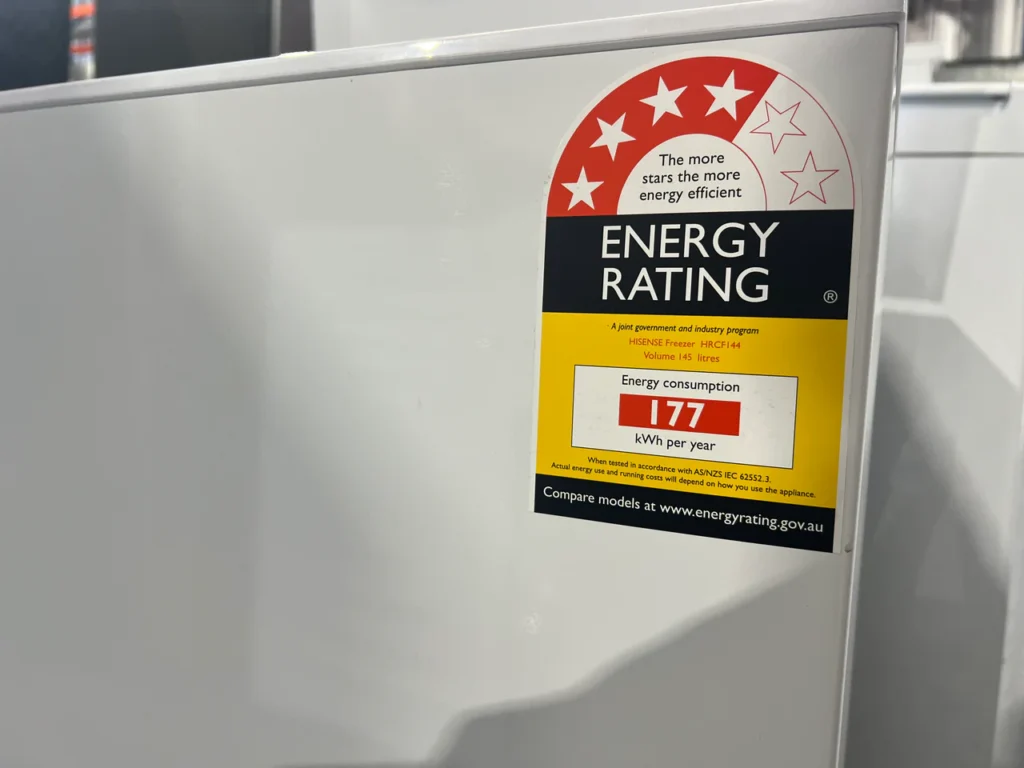
- Look for models with an Energy Star rating or equivalent certifications in your region. These models are designed to use less electricity.
- Inspect wattage/amps of operation. Even between similar capacity units, differences in watt use can mean notable monthly savings.
- Pay attention to insulation, compressor type, and lid design—all affect how much work the freezer does.
- Placement matters: avoid setting it near heat sources (sunlight, ovens) and keep it in cooler areas for best efficiency.
5. Defrosting Mechanisms
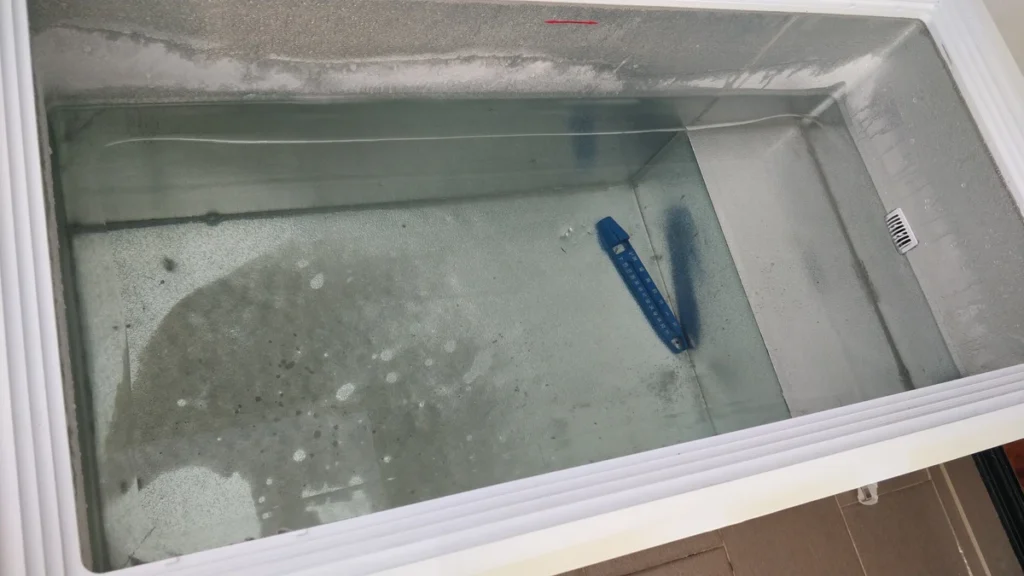
Chest freezers are almost always manual defrost, meaning you need to turn them off and allow frost to melt periodically. Key tips:
- Use defrost schedule timers—frost buildup of 1/4 to 1/2‑inch already begins to reduce efficiency.
- Use a drain plug (if available) to remove water.
- Plan where to store frozen goods temporarily during defrosting.
Some newer models also have partial defrost assistance, better liners, or coatings to reduce ice adhesion.
6. Organization & Accessories
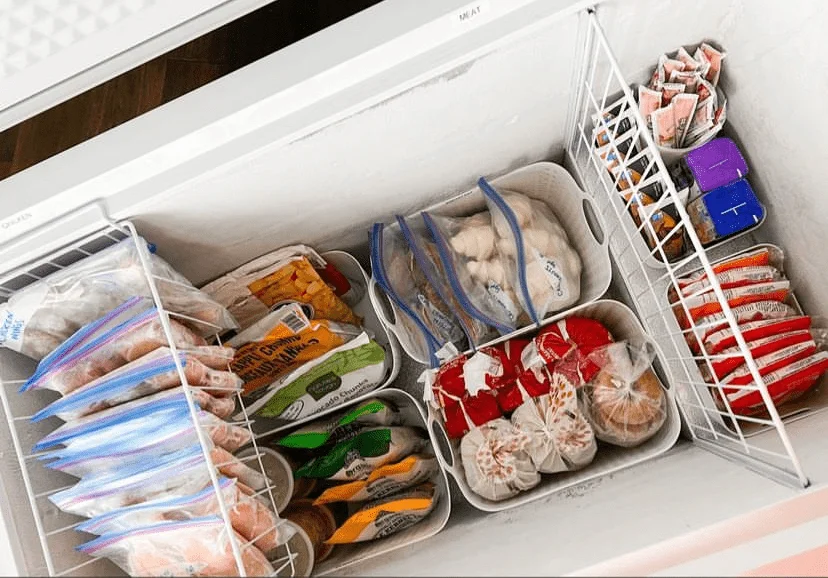
Organization helps you use your freezer efficiently:
- Baskets / Dividers: Many chest freezers come with wire baskets. These are helpful for frequently accessed items.
- Labeling System: Bins or sections with labels avoid digging around and help keep the cold sealed.
- Sliding Trays or Shelving Kits: In taller, wide chests, these make retrieval easier without rummaging.
7. Best Chest Freezer Models of 2025
Here are some standout models in various categories. Prices and availability may vary by region.
| Category | Model | Why It Stands Out |
|---|---|---|
| Large Capacity (20+ cu ft) | Brand A Model X – Offers 25 cu ft, reinforced lid, dual baskets, excellent insulation. | |
| Mid‑Size (~15‑18 cu ft) | Brand B Model Y – Good balance of size, price, and energy usage; has LED interior lighting and a digital thermostat. | |
| Compact / Apartment‑Friendly (<10 cu ft) | Brand C Model Z – Slim footprint, hinged lid opens easily, ideal for small garages or tight spaces. | |
| Quiet Operation | Brand D WhisperCool 12 – Ultra‑quiet compressor, minimal vibration, useful for indoor placement. | |
| Best Budget Option | Brand E Freezer 3000 – Basic tools, solid reliability, fewer features, but lower initial cost. |
When evaluating, look at user reviews for long‑term reliability. Compressors and gaskets are frequent failure points, so brands with good warranties and service are advantageous.
8. Maintenance Tips & When to Call a Professional
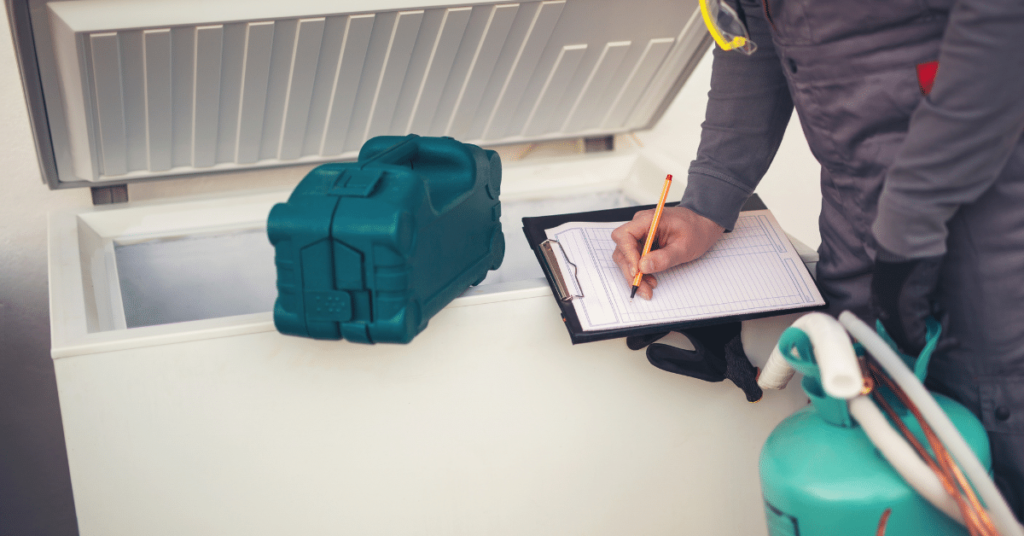
To keep your freezer running well:
- Clean the gasket regularly so it seals tightly.
- Vacuum coils if exposed (often on the underside) to prevent dust buildup that forces the compressor to work harder.
- Monitor temperature with an external thermometer—interior gauges may drift.
- Defrost before frost builds up too thickly.
- Ensure power is stable—surges can damage compressor motors.
If you notice:
- A freezer that doesn’t reach the set temperature
- Significant frost buildup despite regular defrosts
- Strange noises, leaks, or bad smells
… it’s time to seek service from a qualified technician. Whether it’s for a residential setup or a commercial one, you don’t want issues to escalate. You may want to book an appointment with professionals who specialize in appliance service. If the problem is specifically with the freezer element or another cooling unit, you’ll likely need Professional Appliance repair services. For issues like broken compressors, unusual smells, or ice melting but motor running, fridge repair specialists can often diagnose and fix chest freezer problems, too.
9. FAQs

Q: Is it better to buy an upright or a chest freezer?
A: Depends on space, usage, and frequency of access. Uprights are easier to organize and access; chest freezers are more efficient and keep food frozen longer during outages.
Q: Are chest freezers safe to use outdoors or in garages?
A: Some are rated for garage use, able to operate in wider temperature ranges. If yours isn’t, extreme cold or heat may cause issues.
Q: How often should I defrost?
A: When frost is about 1/4 to 1/2 inch thick. Usually, once or twice a year, more often if the humidity is high or frequent lid openings.
Q: How long will food stay frozen in a power outage?
A: Depending on size, insulation, and fullness, anywhere from 24 to 48 hours (or more in large, full units).
10. Summary
Choosing the best chest freezer means balancing capacity, energy use, reliability, and your pattern of use. Measure carefully, consider both upfront and running costs, and don’t underestimate the importance of proper maintenance. The right chest freezer not only preserves your food—it gives you peace of mind.
For anyone buying or maintaining freezers, knowing when to rely on experts is vital. If your freezer starts underperforming or you notice signs of mechanical problems, contact us to discuss service options. A small issue now can prevent loss of goods and larger costs later.
Additional Help & Service
If you’re having trouble with freezer performance, damage, or electrical issues, or simply want regular checkups, remember that you can always contact us for more information or to schedule service. Whether it’s general appliance maintenance or specific fridge repair, professional help ensures safety and efficiency. Don’t hesitate to book an appointment with certified technicians, especially when dealing with complex components. Need Professional Appliance repair for your freezer or other appliances? Reliable companies stand ready to assist with service and parts.

