


Introduction
Upright freezer ownership can be a game-changer for households that buy in bulk, freeze seasonal produce, or simply need more freezer space than a fridge-freezer combo allows. Upright models offer vertical storage, better organization through shelves and bins, and easier access compared to chest freezers. But selecting the right upright freezer involves more than just size—it’s about efficiency, durability, features, and suitability for your space.
This guide will help you understand what to look for, review some of the best models currently available, and offer advice on upkeep and troubleshooting. At the end, you’ll be better equipped to make a choice that matches your needs and budget.
What to Consider Before Buying
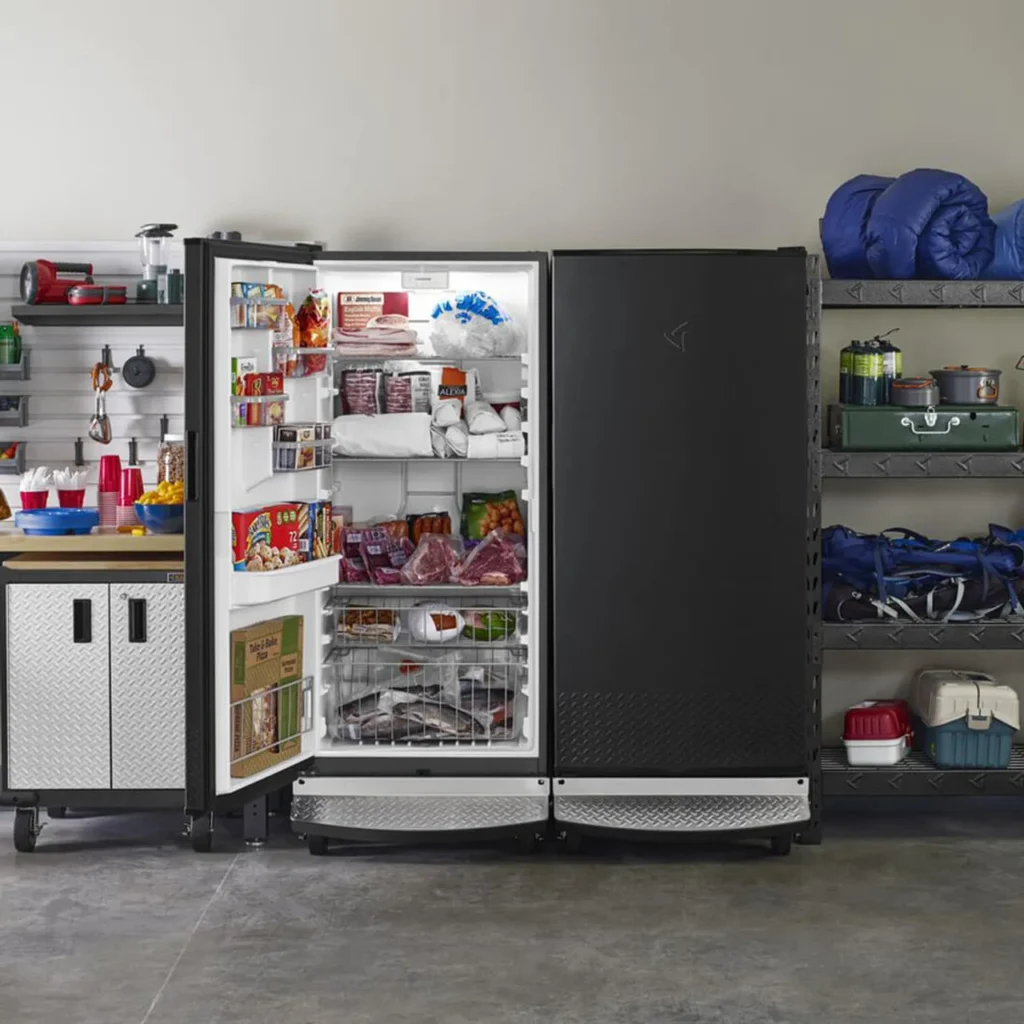
Choosing the right upright freezer involves evaluating several dimensions. Here are the key factors:
1. Capacity & Size
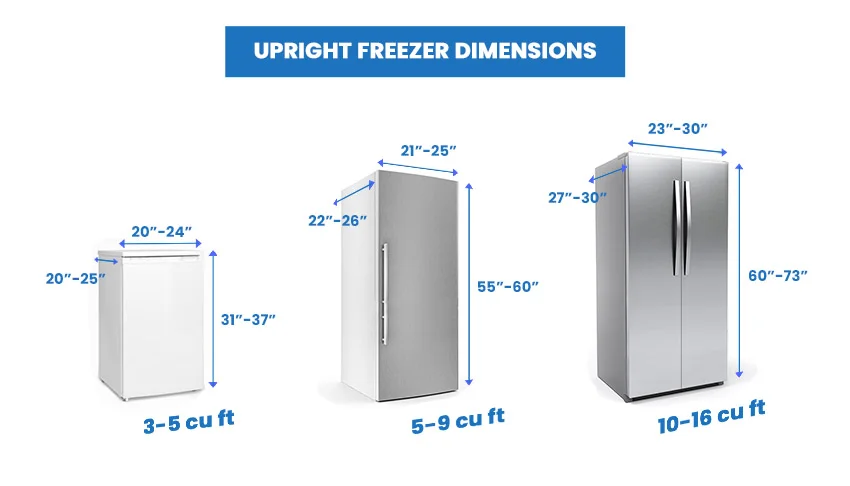
- Measure the space where you’ll put the freezer, including height, width, depth, and clearance for the door swing.
- Think about how much freezing you do: bulk meat, frozen meals, seasonal produce, etc. Experts suggest about 1.5 cubic feet per person in the household.
- For small households or secondary freezer needs, compact/freezer‑only units (3–7 cu ft) may suffice; for larger families or serious storage, 15‑20+ cu ft models are more suitable.
2. Energy Efficiency & Operating Costs
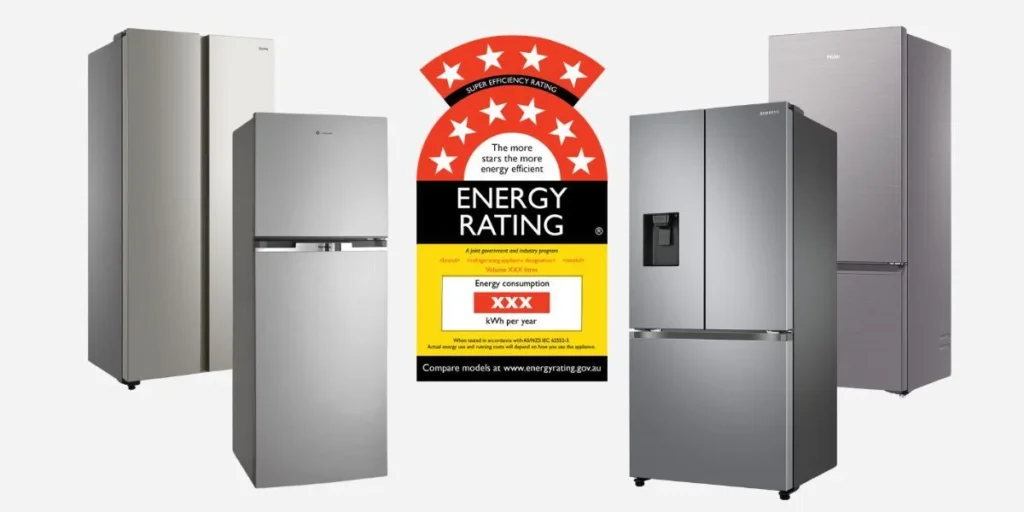
- Look for Energy Star‑rated units. These are more efficient and cost less to run over time.
- Consider insulation quality, door seal tightness, and whether the unit is garage‑ready if you plan to place it in a non‑conditioned space. Some models are designed to tolerate temperature extremes outdoors or in an unheated garage.
3. Defrost Type
- Frost‑free (auto‑defrost / self‑defrost): Prevents ice buildup, less manual labor. But it may use more energy, and sometimes can cause slight fluctuations in temperature.
- Manual defrost: More efficient, often cheaper, and more stable temperature, but requires periodic maintenance.
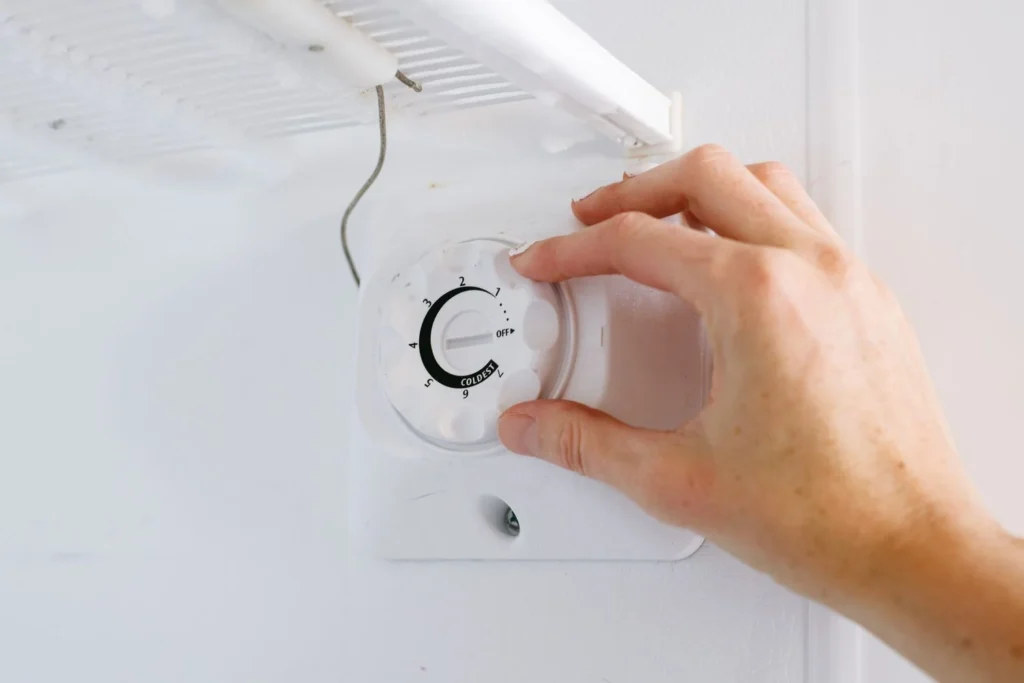
4. Temperature Control & Alerts
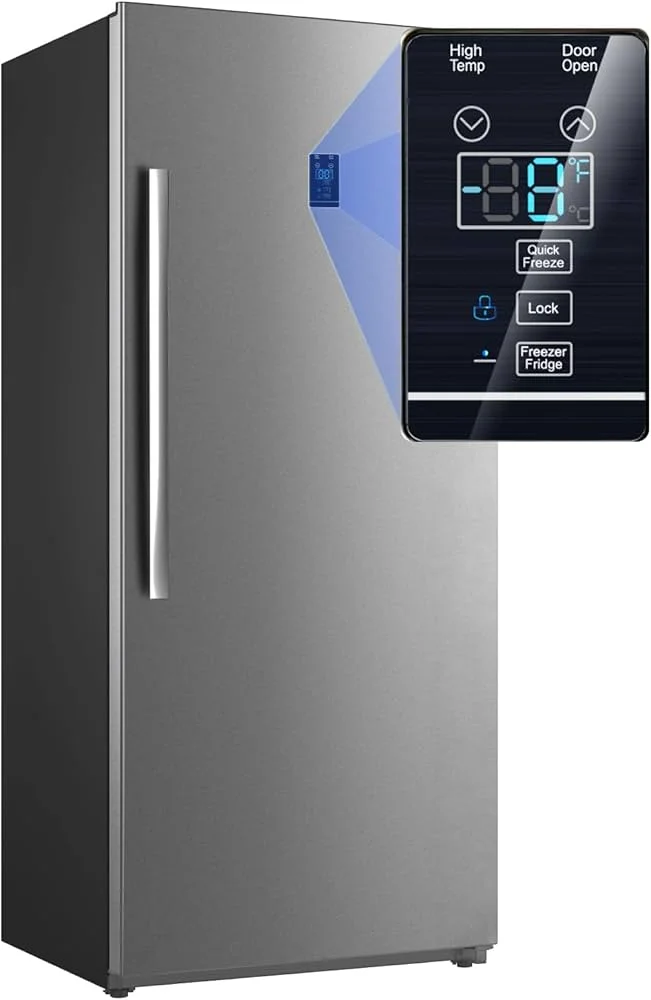
- Digital or mechanical controls for setting temperature precisely.
- Features like door‑ajar alarms or power‑outage indicators can protect food and alert you to problems.
- Fast‑freeze or quick‑freeze settings are useful if you load a lot of items at once.
5. Interior Organization & Design Features
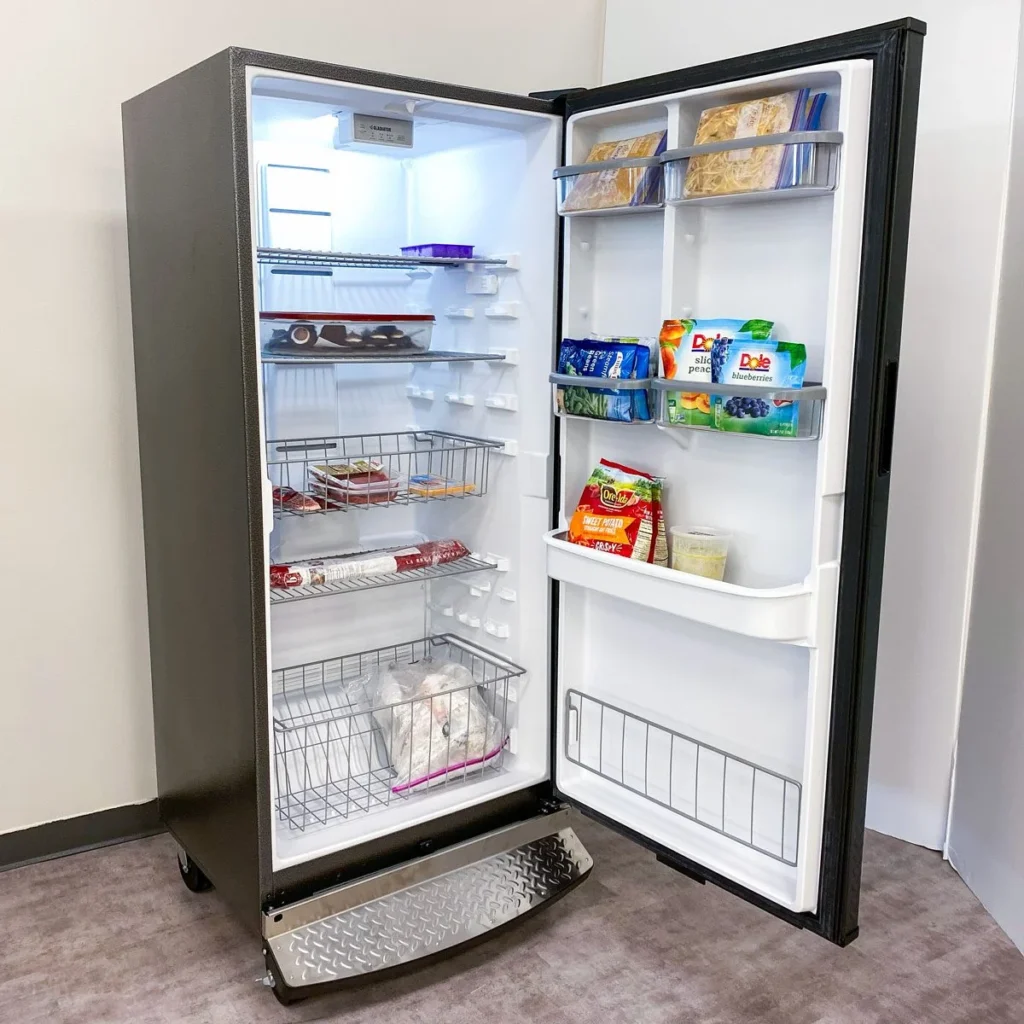
- Adjustable shelves, drawers, bins, and door shelving help you organize different‑sized items.
- Lighting (especially LED) helps visibility in dim areas like garages or basements.
- Reversible doors or doors suited to your available space and layout.
6. Noise, Build Quality, and Warranty

- Look for models that have low‑noise compressors if the freezer will be near living spaces.
- Strong door seals, durable shelves, and corrosion‑resistant finishes are required if used in a garage or humid environments.
- Warranty: Parts and compressor coverage can make a difference in long‑term value.
Top Upright Freezers / Noteworthy Models (2024‑2025)
Here are some upright freezers that reviewers and experts consistently recommend, divided by category. (Availability may vary by region; always check local dealers.)
| Category | Model / What It’s Good For | Key Features & Trade‑Offs |
|---|---|---|
| Best Overall | GE FUF21SMRWW (21.3 cu. ft.) – large capacity, frost‑free, garage‑ready, alert systems. | |
| Best for Garages / Extreme Temperatures | Gladiator 17.8 cu. ft. – built for fluctuating temps, durable. | |
| Best Mid‑Size / Family Use | Frigidaire 13‑16 cu. ft. garage‑ready models, with even‑temp technology. | |
| Best Budget / Compact | Whynter mini‑uprights (2‑3 cu. ft), or small Frigidaire / Insignia models. | |
| Best Organization | Models with multiple drawers, door bins, LED lighting, and adjustable shelves. Gladiator models and Frigidaire’s organized units get good reviews. |
Pros & Cons of Upright Freezers
| Advantages | Disadvantages |
|---|---|
| Easier access (shelves, bins, seeing what’s inside) | Typically, more expensive per cubic foot vs. chest freezers |
| Smaller footprint on the floor | Less efficient in extreme heat or when overfilled |
| Better indoor organization, less bending | Frost‑free models can be noisier or more energy-demanding |
| Many have more convenience features (alarms, fast‑freeze) | Repairs (like door seals) can be costlier if the high‑end model |
Maintenance & Troubleshooting
To get the best performance and lifespan out of your upright freezer:
- Keep the door seal clean and intact. Misaligned or degraded gaskets let warm air in, causing frost build‑up and extra energy use.
- Don’t overfill. Leave space for air circulation; pack items so cold air can flow between them.
- Clean condenser coils. Dust buildup reduces efficiency. Vacuum or brush them regularly.
- Defrost (if manual). When frost builds up more than ~¼‑inch, defrost manually to maintain cooling performance.
- Monitor temperature. Ideal freezer temperature is about ‑18°C (0°F). Use an external thermometer if your freezer doesn’t have a reliable built‑in sensor.
- Handle minor repairs early. Small leaks, seal failures, or inconsistent cooling are better addressed early than after major failures.
When to Seek Appliance Repair

If your upright freezer is not maintaining the right temperature, ice builds up excessively even in frost‑free models, or you notice condensation, strange noises, or stuff smells spoiled, it’s time to look into service. For these situations, consider contacting professionals.
- For regular servicing or breakdowns, you might want to book an appointment with appliance experts.
- If the unit needs specialist servicing, Professional Appliance repair services can often diagnose and fix issues like thermostat failure, compressor problems, or door gasket leaks.
- For leaks, poor cooling, or malfunctioning components related to freezing, “fridge repair” providers often cover upright freezer issues as well.
- And if you have questions or want to check warranty, parts, or installation, don’t hesitate to contact us through a trusted service center.
(Link to your local reliable service center or retailer for these.)
Summary: How to Pick the Best Upright Freezer for You

- Match capacity and size to your household’s freezing needs and available space.
- Choose defrost type (frost‑free vs manual) based on how much maintenance you’re willing to do.
- Prioritize energy efficiency, especially if it will run constantly.
- Select useful features like alarms, lighting, adjustable shelves, fast‑freeze mode, and reversible doors.
- Think about location – garage or unconditioned space requires “garage‑ready” units.
- Don’t neglect after‑sales support and repair – a good warranty or service provider can save you money down the line.

