

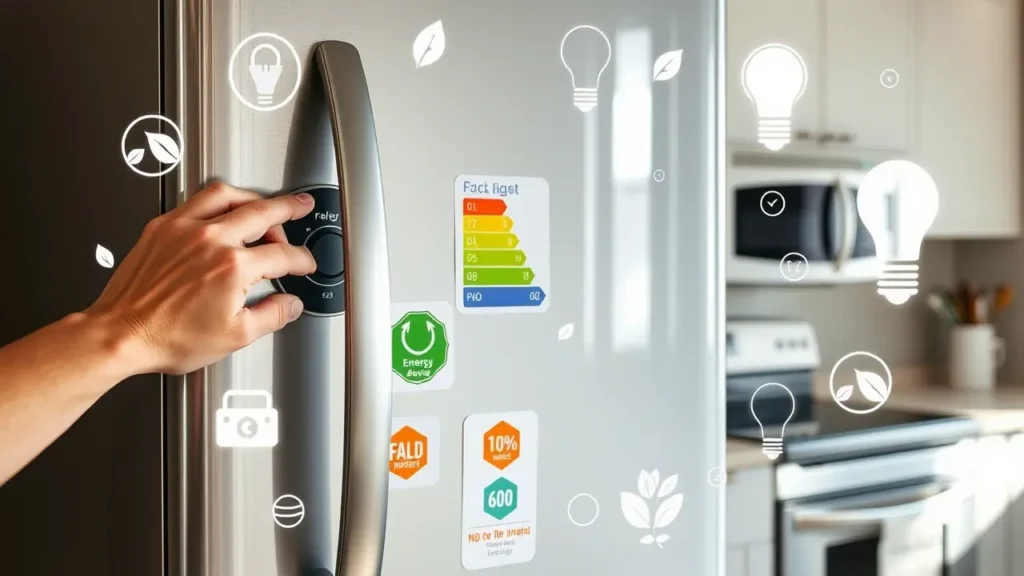
Energy Saving Tips: Reduce Bills with Better Appliance Care
In modern homes, appliances are among the biggest energy consumers—refrigerators hum constantly, washers and dryers use heat and motion, and heating, cooling, and ventilation systems are running for hours every day. Yet many consumers overlook appliance care as a way to save money and energy. This article will guide you through well-tested strategies to extend appliance lifespan, improve efficiency, and thus reduce your energy bills.
Why Appliance Care Matters
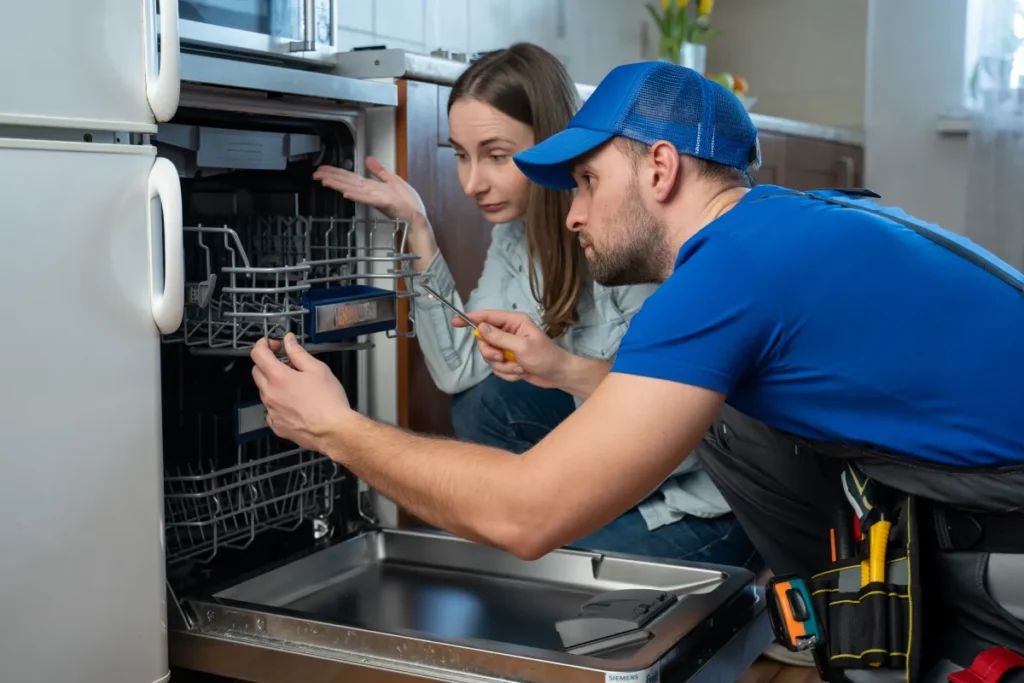
Appliances often consume more energy as they age or when they are neglected:
- Poorly maintained appliances run less efficiently, drawing more electricity or gas for the same purpose.
- Improper seals, clogged filters, or old components can force motors, compressors, or heating elements to work harder.
- Small inefficiencies—like a damaged door gasket on your fridge—add up over time.
By caring properly for your appliances, you not only lower bills but also reduce repair costs and increase lifespan.
Key Maintenance Tasks by Appliance
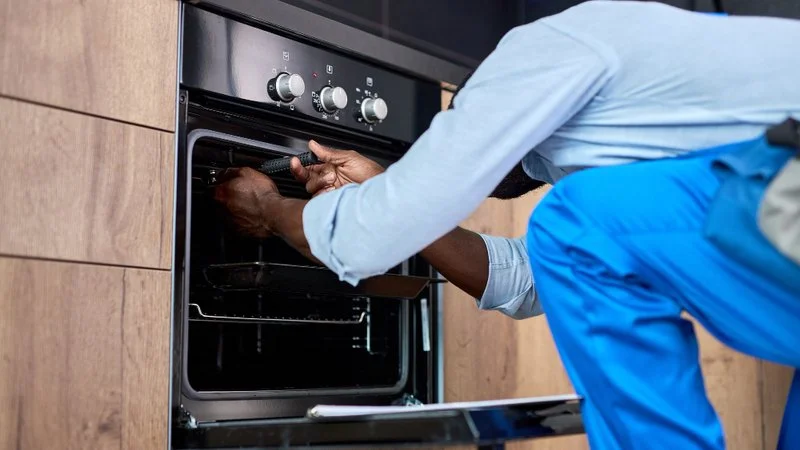
Here are specific actions you can take for different major appliances:
Refrigerator & Freezer

- Clean fridge condenser coils: Dust buildup on coils forces compressors to run longer. Vacuum or brush coils every 3–6 months.
- Check gaskets/seals: Cold air leakage wastes energy. If you detect air leaking, replace or realign door gaskets.
- Maintain proper temperature: Keep refrigerators at 37–40°F (3–5°C) and freezers at 0°F (–18°C). Lower than necessary wastes power.
- Allow airflow: Leave space around the appliance for proper ventilation. Avoid blocking vents.
Dishwasher
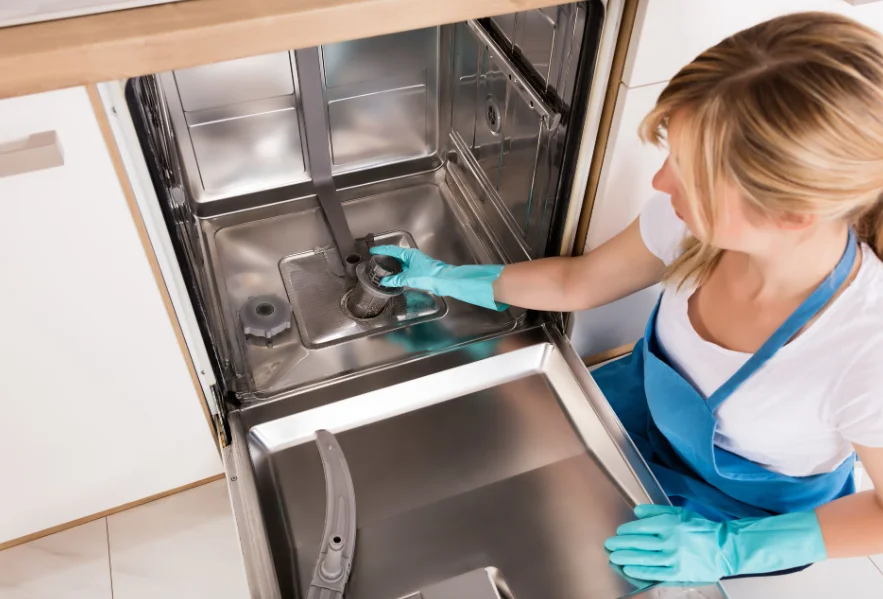
- Use eco mode: Many dishwashers have presets that use less water and lower temperatures.
- Run full loads: Washing partial loads is inefficient.
- Clean filters and spray arms: Food particles or hard water buildup reduce water flow and washing efficiency.
- Air dry instead of heating drying: If possible, skip heated drying and let dishes air dry.
Washing Machine & Dryer
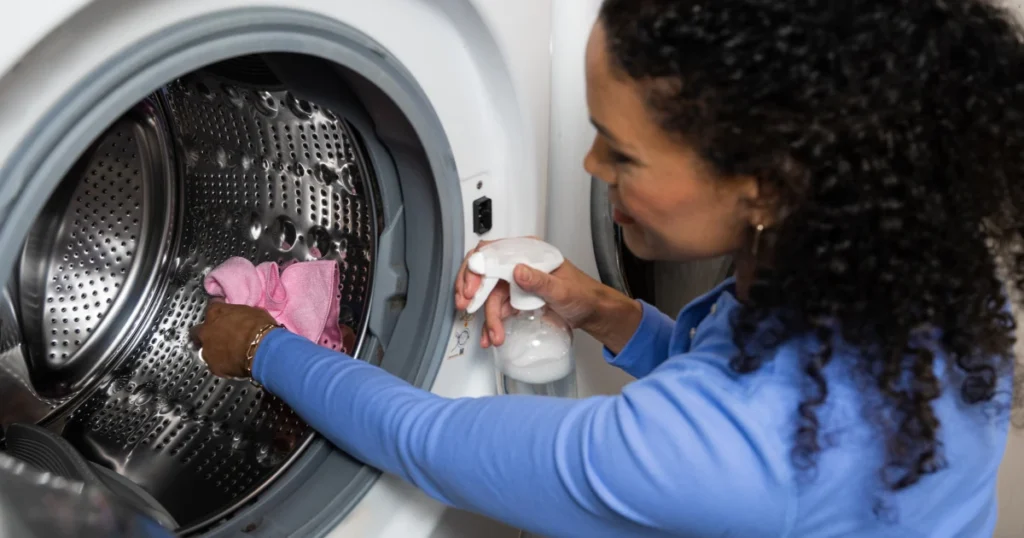
- Use cold or warm water cycles: Heating water can account for a big chunk of washing energy. Save by avoiding hot water unless necessary.
- Clean lint filters: For dryers, especially, lint buildup reduces airflow and increases drying time.
- Vent maintenance: Clean the dryer vent duct regularly to allow hot air to escape properly.
- Use full loads: As much as the washer safely allows without overloading.
Oven, Stove, and Microwave
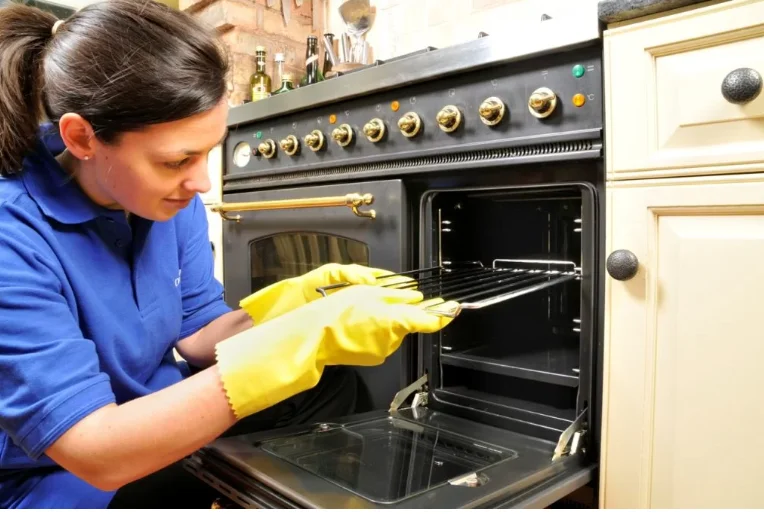
- Avoid preheating too long: Only preheat when needed. Many dishes cook well if placed in the oven once it has warmed.
- Use correct cookware & lids: On stovetops, use flat-bottomed pans, appropriately sized burners, and lids to trap heat.
- Keep seals in good condition: Oven door seals that are worn let heat escape, increasing cooking time.
- Microwave wisely: For smaller portions, microwave or use toaster ovens instead of turning on large ovens.
Smart Usage Habits

Even well-maintained appliances consume less if used smartly. Some habits to adopt:
- Unplug devices and chargers when not in use—many draw “phantom power.”
- Use power strips—one switch-off can cut power to several devices.
- Schedule tasks off-peak if your energy plan charges more during peak hours.
- Avoid overcooling or overheating—dress according to the season and use layering to reduce thermostat dependence.
Upgrades & Retrofit Options

If your appliances are old or energy ratings are low, consider these improvements:
- Energy-efficient models: Appliances with ENERGY STAR or equivalent labels.
- Smart home integration: Smart thermostats, sensors, and timers can automate savings.
- Retrofits: Replace worn parts (such as gaskets, motors) rather than whole units where possible.
- Proper sizing: Buying appliances that match your household size avoids wasteful overcapacity.
When to Call in the Experts
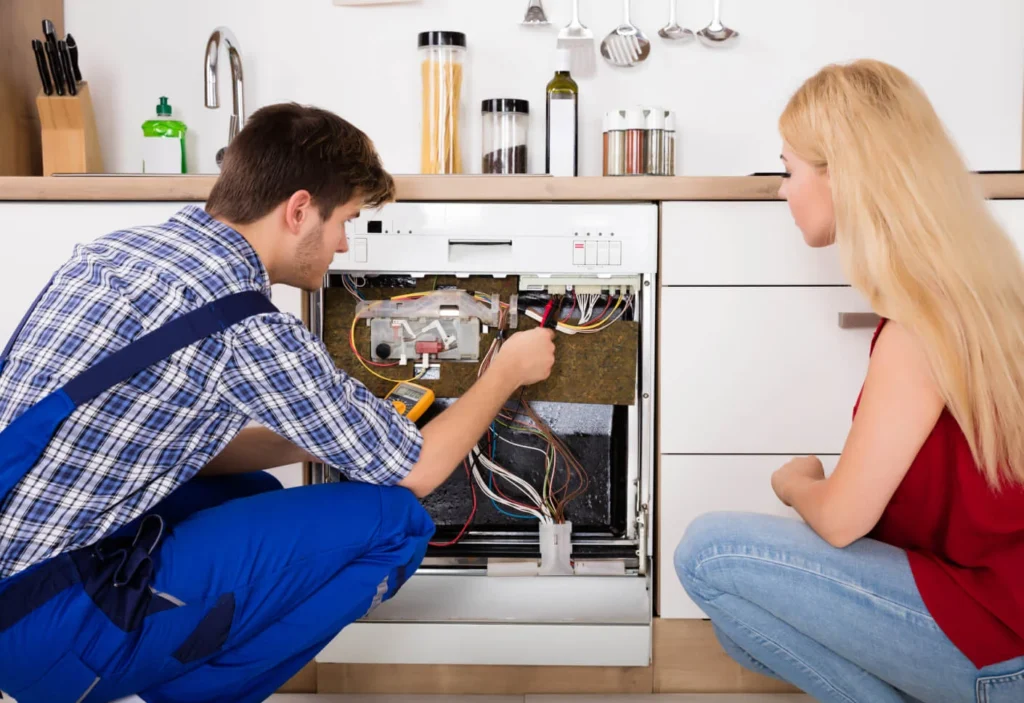
Sometimes, professional help is more cost-effective in the long run.
- If performance drops significantly despite maintenance.
- If repairs involve electrical or gas components.
- When warranties or safety may be compromised.
You can book an appointment with specialists for evaluation or repair. If you believe your appliance needs more than DIY care, reach out to Professional Appliance Repair Services. Whenever you need reliable help or guidance, don’t hesitate to contact us for diagnostics, parts, or full service.
Putting It All Together: A Checklist
Use this checklist periodically (every 3–6 months) to ensure your appliances remain efficient:
| Task | Frequency | Who Should Do It |
|---|---|---|
| Clean refrigerator coils | Every 3–6 months | Homeowner or technician |
| Inspect seals and gaskets | Every 3 months | Homeowner |
| Replace air filters (HVAC) | Monthly or quarterly | Homeowner or HVAC pro |
| Clean dishwasher filter/spray arm | Monthly | Homeowner |
| Clean dryer vent & lint trap | After every use (lint trap); 6–12 months (vent) | Homeowner |
| Annual HVAC tuned up | Once a year | Technician |
| Use full loads in the washer/dishwasher | Always | Homeowner |
| Use energy-saving modes or settings | Always | Homeowner |
Final Thoughts
Energy bills may not always be easy to control—but you do hold more power than you might think. Regular appliance care, sensible usage habits, and strategic upgrades can reduce your energy consumption substantially. Not only will you save money, but you’ll also be doing your part in lowering environmental impact.
Begin with inspecting your most energy-intensive appliances, follow through with maintenance and smart usage, and don’t hesitate to seek professional help when needed. Small changes, consistent care—over time, they add up.
If you’d like help assessing your household appliances, book an appointment with our specialists. For any urgent issues or servicing, our Professional Appliance repair team is ready. To get in touch, please contact us today.

