

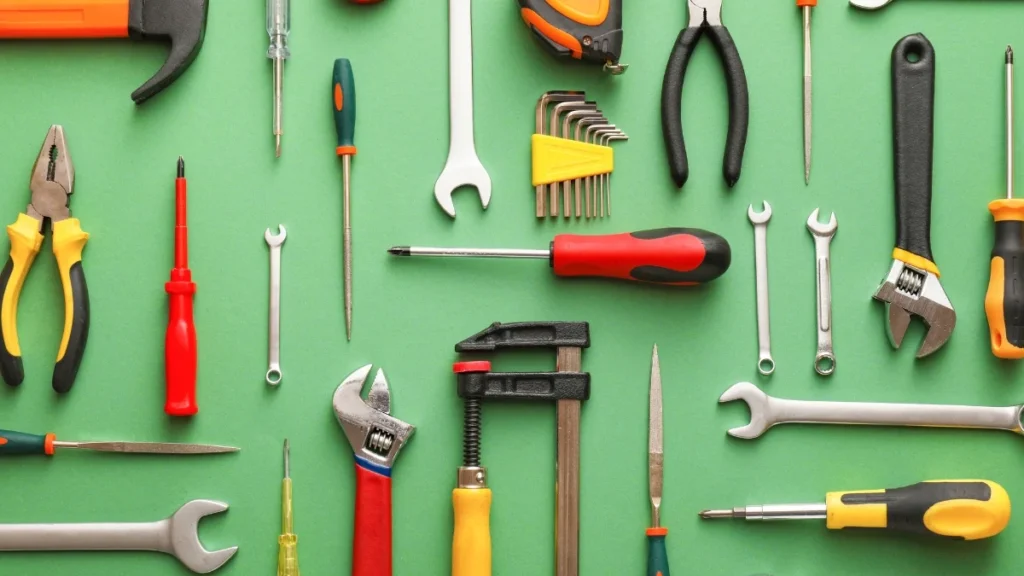
Appliance breakdowns never pick a convenient moment. If you’re the hands-on type, a well-chosen toolkit turns panic into a plan. The right tools help you diagnose problems faster, access hidden parts without damage, and reassemble everything correctly the first time. Below is a curated list of the ten tools every DIY Appliance Repair enthusiast should own, including why each matters, what to look for, and a few usage tips. We’ll also touch on smart add-ons, safety, and the point where calling a pro just makes more sense.
1) Digital Multimeter (DMM)
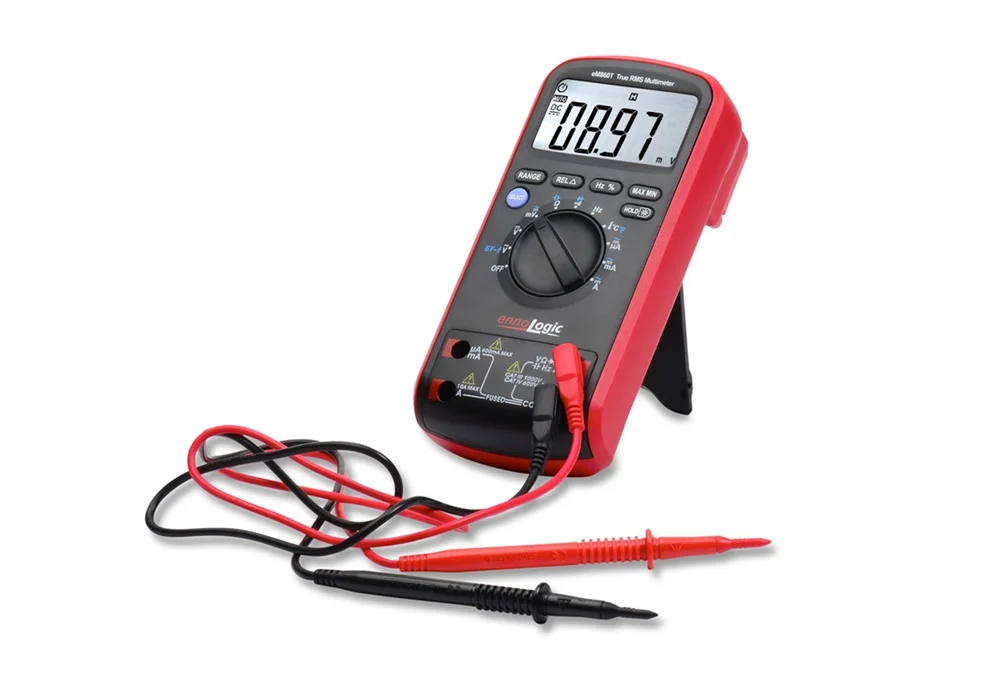
Why you need it: Electricity often causes common appliance problems—like not starting, tripping the breaker, no heat, or no spin. A multimeter checks voltage, continuity, and resistance accurately, so you’re not guessing. It’s key for DIY Appliance Repair, helping you find if the issue is wiring, power, or a bad part. Using one saves time, prevents needless replacements, and builds confidence in fixing appliances.
What to look for
- Auto-ranging and clear backlit display
- Continuity buzzer for quick checks
- CAT II/III safety rating is appropriate for household work
- Replaceable leads with insulated tips
Quick tip: Before you test, unplug the unit or switch off the breaker unless the test explicitly requires live voltage. Verify your meter on a known source so you trust the reading.
2) Insulated Screwdriver Set (Phillips, Slotted & Torx)
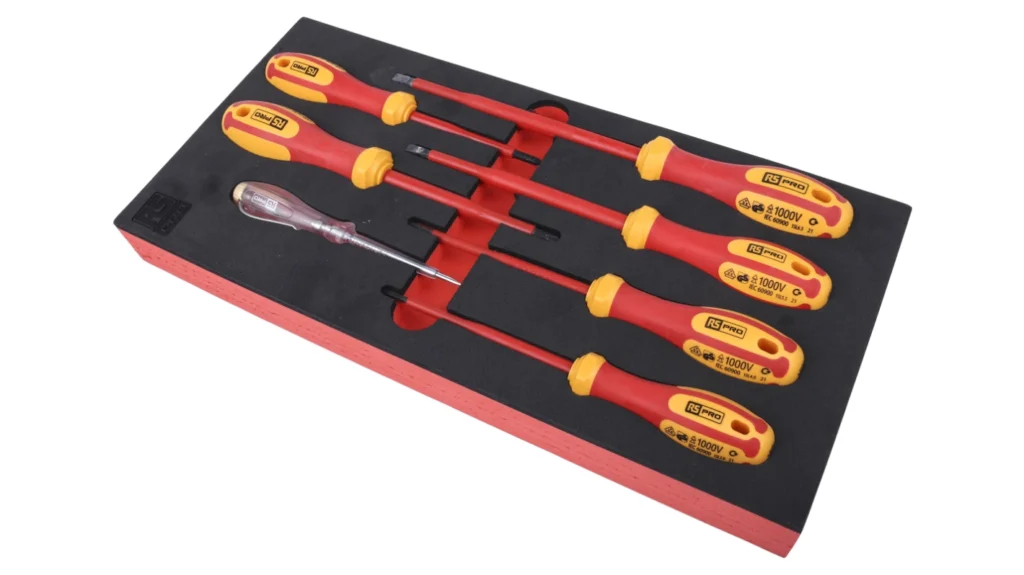
Why you need it: Appliance fasteners aren’t just Phillips and flat—Torx and even security Torx are common on ovens, fridges, and washers. A good set prevents cam-out and stripped heads.
What to look for
- VDE-rated insulation or at least robust dielectric handles
- Magnetized tips with hardened steel
- A compact roll or case so sizes don’t go missing
Quick tip: Keep a stubby driver in the pouch for tight clearances under cooktops or behind control panels.
3) Nut Driver Set (Metric & SAE)
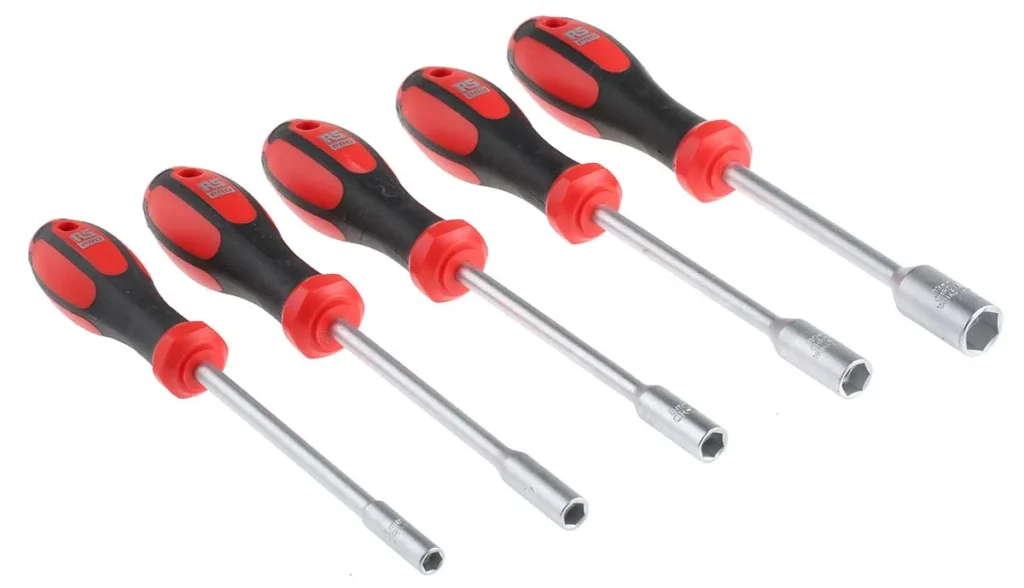
Why you need it: In DIY Appliance Repair, sheet-metal screws and hex-head screws are common. Nut drivers make removing cabinets, blower housings, brackets, and hinges much faster.
What to look for
- Hollow shafts for long studs
- 1/4″, 5/16″, 3/8″ (the big three), plus common metric sizes
- Comfortable, oil-resistant grips
Quick tip: Label the handles you reach for most (e.g., “5/16”) to shave minutes off every disassembly.
4) Needle-Nose, Slip-Joint & Locking Pliers
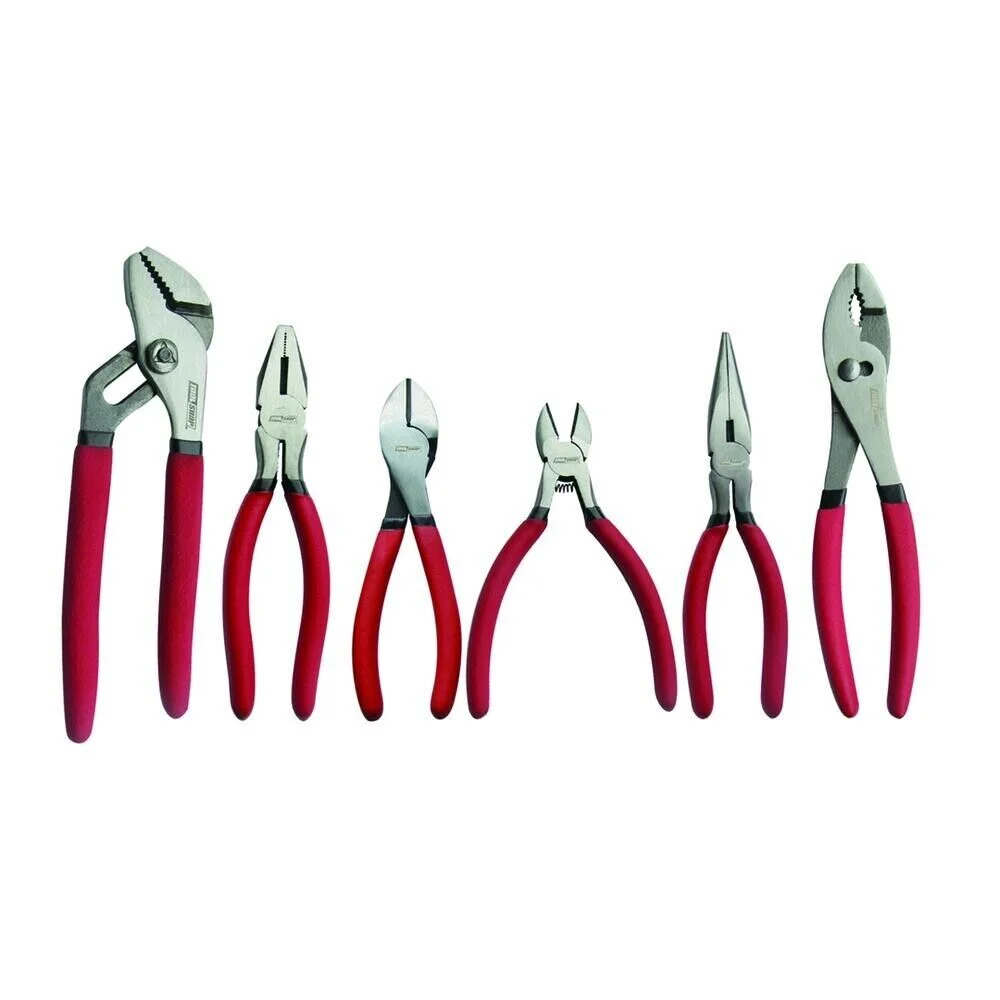
Why you need it: In DIY Appliance Repair, pliers grip clamps, pull connectors, grab screws, and bend tabs back.
What to look for
- Long, fine tips (needle-nose) for harness work
- Smooth-jaw option for delicate connectors
- One small locking plier for seized or rounded fasteners
Quick tip: When removing a push-on electrical connector, twist gently first; pulling straight can tear the wire.
5) Non-Contact Voltage Tester (NCVT)
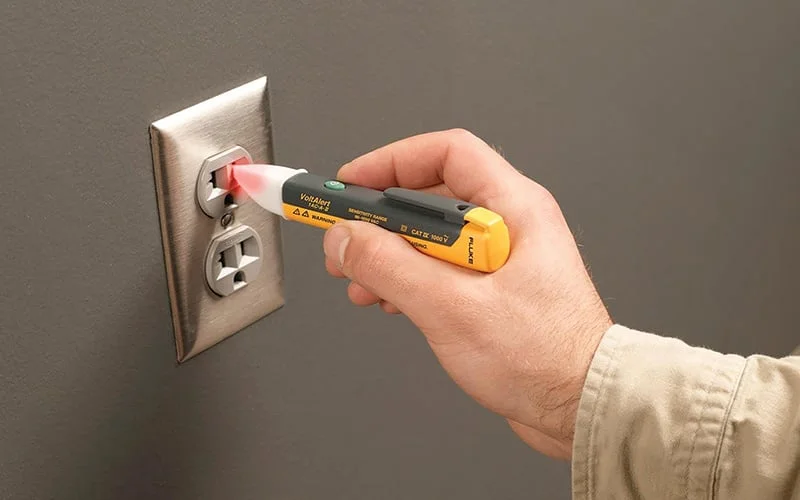
Why you need it: In DIY Appliance Repair, an NCVT gives a quick yes/no check for live wires. It works without metal probes, making it perfect for fast safety checks before handling a component.
What to look for
- Audible + visual alerts
- Auto-shutoff and pocket clip
- Range suitable for 90–600V AC household circuits
Quick tip: Treat an NCVT as a first screen, not the final word. Confirm with the multimeter when in doubt.
6) Cordless Screwdriver/Drill with Clutch
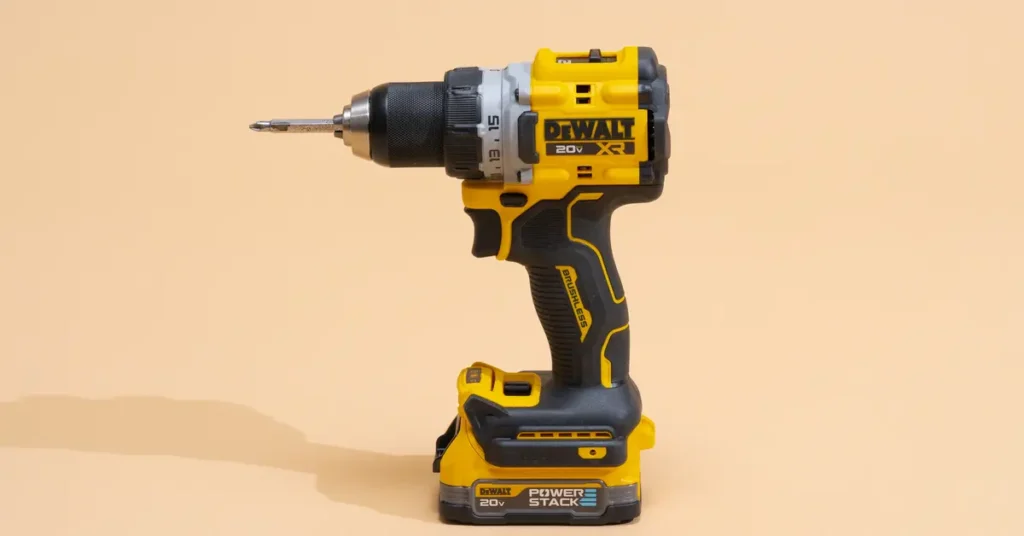
Why you need it: Panels and internal brackets can involve dozens of screws. A compact driver with a low torque clutch avoids over-tightening and cracking plastic.
What to look for
- Lightweight (sub-2 lb), variable speed, and a 1/4″ hex quick-change chuck
- Adjustable clutch settings
- LED work light for dim basements or back-of-cabinet installs
Quick tip: Keep torque low for reassembly, especially on control bezels and plastic tabs—cracks here are heartbreaking.
7) Torx & Security Bit Kit
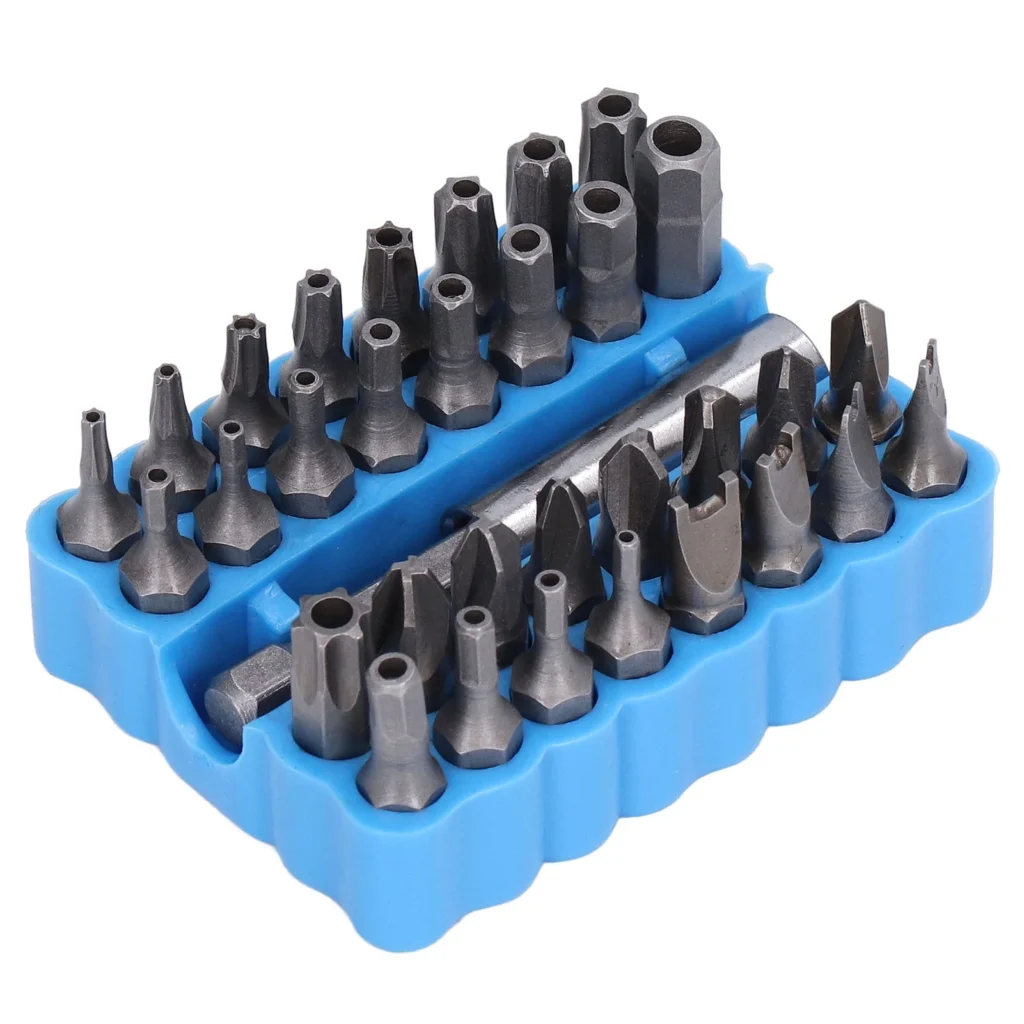
Why you need it: Manufacturers often use tamper-resistant screws on controls, cooktops, and door assemblies. Having the full bit family avoids a mid-job stall.
What to look for
- T8–T30 range, plus TR (pin) versions
- Square/Robertson bits (common in Canada) and hex bits for completeness
- Steel that won’t round off after two uses
Quick tip: Use hand pressure and a straight wrist. If the bit cams out, step up a size rather than forcing it.
8) Thin Putty Knife / Spudger Set
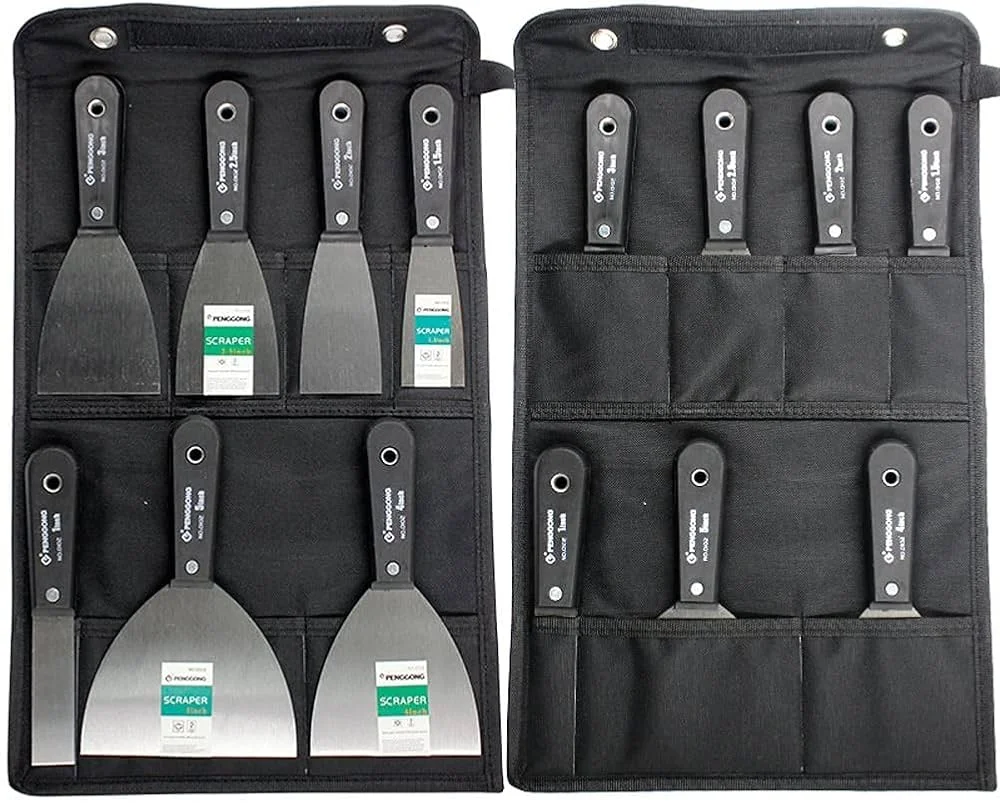
Why you need it: Many appliances use snap-fit panels and spring clips. A thin, flexible blade or plastic spudger releases them cleanly without gouging enamel or paint.
What to look for
- One flexible metal blade (rounded edges)
- Plastic prying tools for cosmetic surfaces
- A protective sleeve to keep the edges smooth
Quick tip: Wrap a layer of painter’s tape over the blade when working near visible trim.
9) Hose-Clamp Pliers & Spring-Clamp Tool
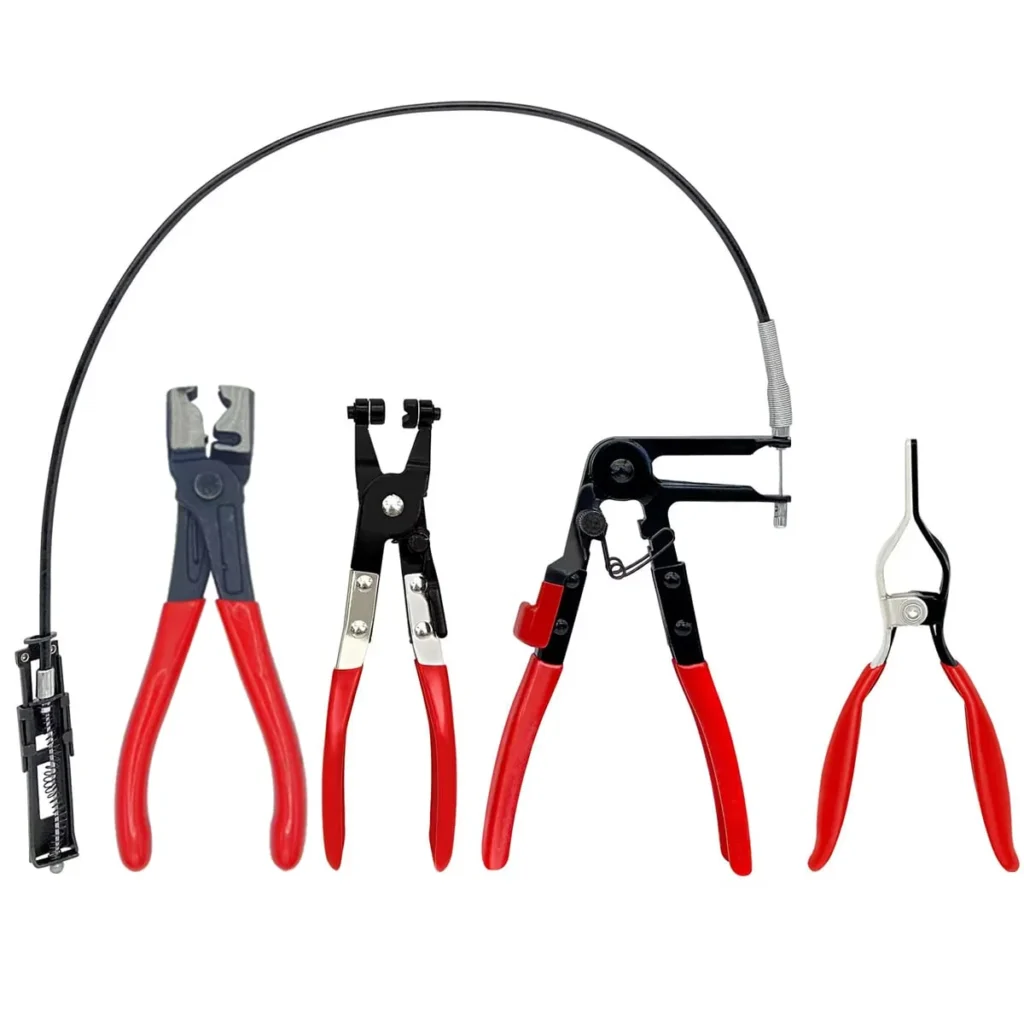
Why you need it: Washers, dishwashers, and refrigerators rely on spring and worm-drive clamps for hoses. The right pliers make removal predictable, not knuckle-busting.
What to look for
- Cable-operated remote clamp pliers for cramped spaces
- Jaw profiles that match common clamp styles
- Corrosion-resistant finish
Quick tip: Photograph hose routing before removal. Correct orientation often matters for leak-free reassembly.
10) Magnetic Parts Tray & Headlamp/Work Light
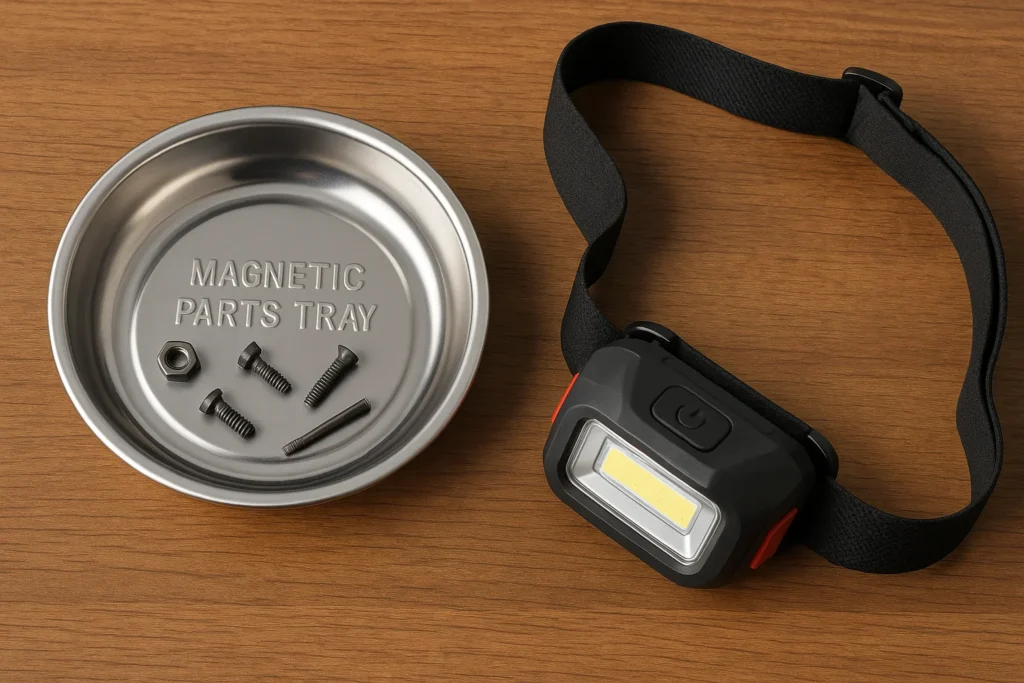
Why you need it: Tiny screws love to vanish, and shadows make mistakes. A magnetic tray keeps fasteners together; a headlamp puts light where you look.
What to look for
- Rubber-base magnet that won’t scratch finishes
- Pivoting, rechargeable headlamp with high CRI for true color
- Optional gooseneck inspection light for deep cavities
Quick tip: Sort trays by section (top panel, back cover, control) so reassembly follows a clean sequence.
Smart Add-Ons (Worth the Space)
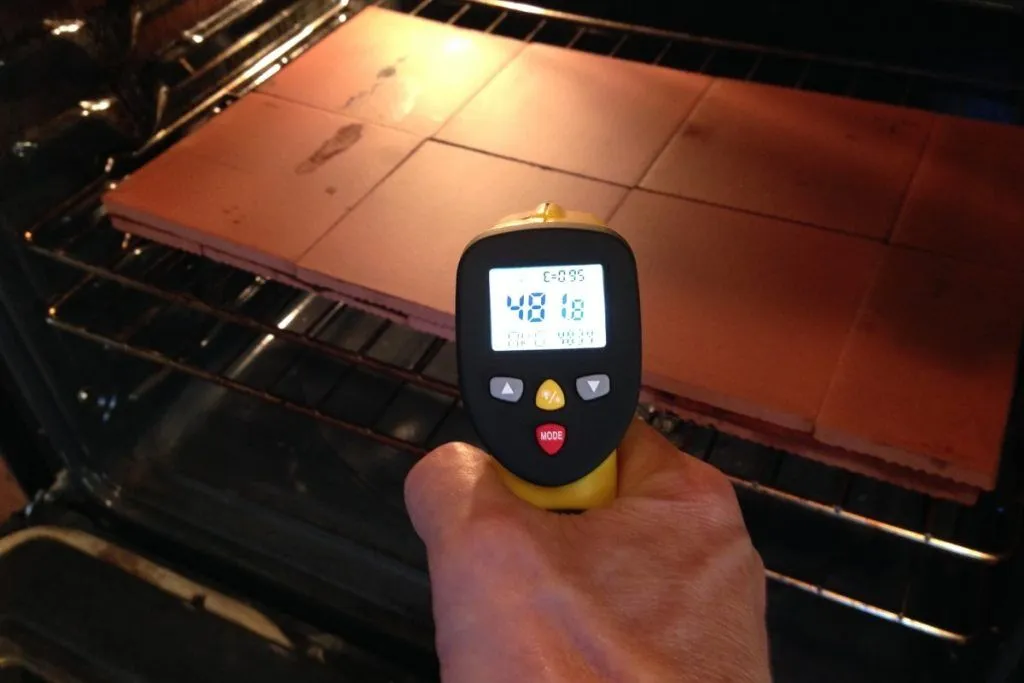
- Infrared thermometer: Quick checks of freezer, oven, or dryer outlet temps.
- Coil brush & vacuum attachment: Essential for refrigerator condenser maintenance.
- Zip ties & heat-shrink assortment: Tidy harness repairs beat electrical tape.
- Small tubing cutter & compression tool: For ice-maker and water-line work.
- ESD wrist strap: Sensible when handling modern control boards.
- Magnetic pickup & telescoping mirror: For the screw that will jump behind the drum.
Safety First (Always)

- Disconnect power: Unplug or kill the breaker; verify with your NCVT and multimeter.
- Mind sharp edges: Appliance sheet metal is unforgiving—gloves save hands.
- Gas awareness: If you smell gas, stop, ventilate, and call a pro.
- Capacitors: Microwaves and some motors store energy—discharge safely or avoid those repairs.
- Water and electricity: Dry the workspace; use GFCI-protected outlets for tools.
Tool Quality vs. Budget: Where to Spend
- Spend more on the multimeter, drivers/bits, and clamp pliers—accuracy and fit matter.
- Mid-range is fine for trays, lights, and spudgers.
- Buy once on sizes you use constantly (5/16″ nut driver, T20/T25 bits); they pay for themselves in time saved and fasteners not ruined.
When a Professional Makes More Sense
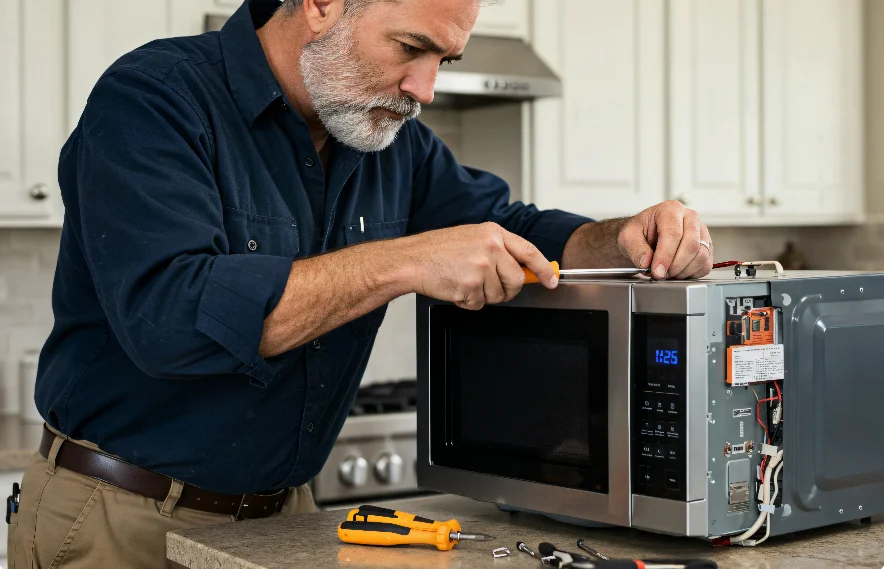
Some jobs are risky, code-sensitive, or simply not worth your Saturday—gas valve replacements, sealed-system refrigeration work, complex control board diagnostics, or anything involving high-voltage capacitors in microwaves. If the repair crosses your comfort line or the symptoms are elusive, it’s perfectly smart to call in help. Explore our Professional Appliance repair services for fast, warrantied fixes by trained technicians.
Ready to schedule? Book an appointment in seconds and we’ll match you with a local pro. Have questions before you commit? Contact us—we’re happy to help you decide the best next step.
Quick Pre-Repair Checklist
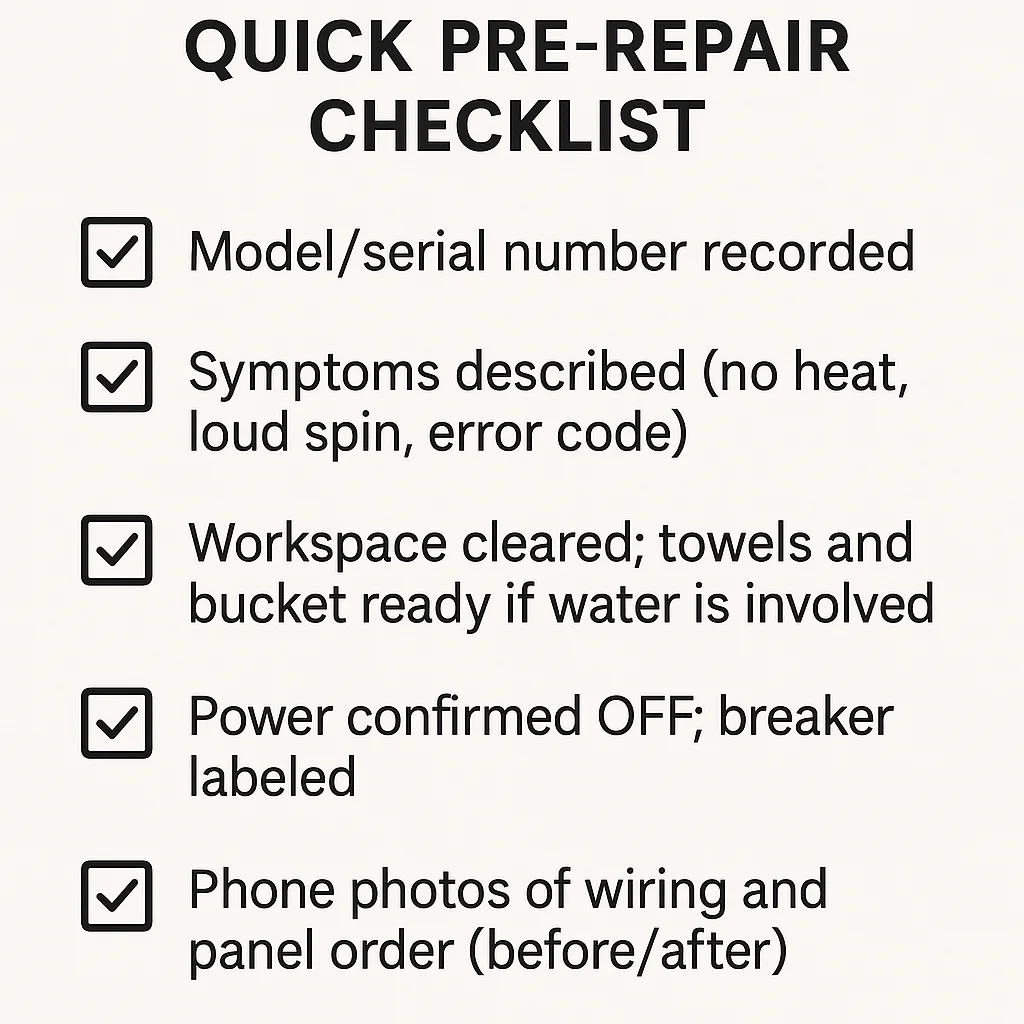
- Model/serial number recorded
- Symptoms described (no heat, loud spin, error code)
- Workspace cleared; towels and bucket ready if water is involved
- Power confirmed OFF; breaker labeled
- Phone photos of wiring and panel order (before/after)
Final Thoughts
A solid DIY appliance toolkit isn’t about owning every tool—it’s about owning the right ones. With the ten essentials above and a few smart add-ons, you’ll handle most common access, diagnosis, and reassembly tasks cleanly and safely. Pair those tools with patience, good documentation, and a habit of labeling fasteners, and you’ll be surprised how many “call a tech” moments turn into straightforward weekend wins. And when the job truly calls for specialized gear or factory know-how, you have backup: Professional Appliance repair is a click away; you can book an appointment or contact us anytime.

