


Appliance Spare Parts can make all the difference when your refrigerator limps along with a warm freezer or your washing machine starts thumping like a bass drum. The right replacement piece can turn a costly problem into a simple fix. This guide walks you through a practical, no-nonsense process for sourcing quality parts—without overspending or risking a mismatched component.
Why Parts Quality Matters More Than It Seems

Cheap components fail early, waste energy, and sometimes even damage neighboring parts. For example, a flimsy pump can overheat a motor, while a poor-quality door gasket leaks cold air and inflates your power bill. That’s why choosing Appliance Spare Parts from trusted sources is so important. High-quality parts not only fit correctly but also ensure your appliances run efficiently without straining other components. Over time, they provide three key benefits you’ll notice when it matters most: reliability, stable performance, and predictable longevity—helping you save money on repairs and energy costs in the long run.
OEM vs. Aftermarket: What You’re Really Buying

- OEM (Original Equipment Manufacturer): Built to the exact specs your appliance shipped with. You’re paying for guaranteed fit and tested performance—often the safest pick for core components (motors, control boards, sealed systems).
- Aftermarket: Third-party parts that match or “fit” the original. Some are excellent and cost-effective; others cut corners. Aftermarket makes sense for non-critical items (knobs, shelving, cosmetic trims) or where reviewers confirm parity with OEM.
- Refurbished/Used: Viable for older models with scarce parts, but insist on testing, documentation, and a meaningful return window.
Rule of thumb: If the part plays a critical role in safety, sealing, or electronics, lean OEM or a premium aftermarket brand with proven reviews and a solid warranty.
Pin Down the Exact Part Number (Don’t Guess)
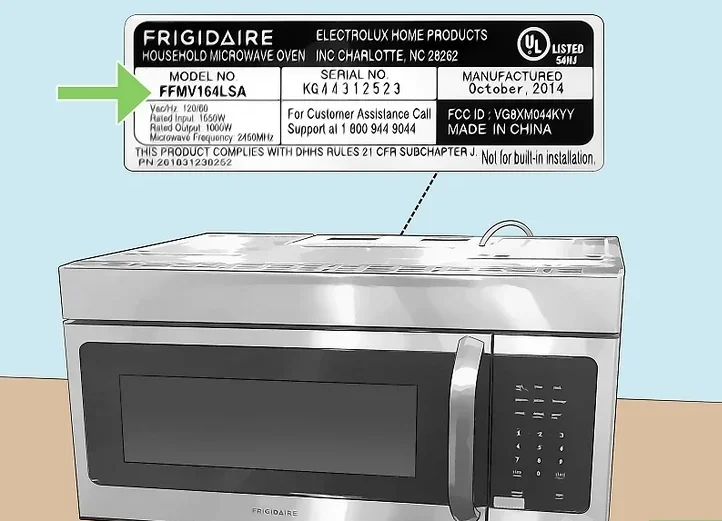
Even a single letter off can mean a different voltage, connector, or firmware when ordering Appliance Spare Parts. Manufacturers often release several versions of the same model with slight compatibility changes. Always double-check the exact part number before buying. The wrong part may fail to fix the issue, cause damage, or void the warranty. To prevent mistakes, follow this workflow:
- Model & Serial Tag: Find the appliance’s model/serial plate (often in the door frame, behind the kick plate, under the cooktop lip, or on the back panel). Photograph it for reference.
- Exploded Diagrams: Search the model number in official diagrams to see the part’s location, sub-assemblies, and successors (revised part numbers).
- Supersession Chains: Manufacturers often “supersede” numbers (e.g., WBXX123 → WBXX123B). Verify that the newer code is backward compatible with your revision.
- Cross-Reference: When considering aftermarket, confirm that more than one cross-reference source lists the same replacement number.
Material & Build Quality Indicators

- Plastics: Look for glass-reinforced or high-temperature ratings on components near heat sources. Brittle plastic is a red flag.
- Metals: Stainless or zinc-coated hardware resists corrosion for hinges, latches, and brackets, gauge thickness—not just the shape.
- Seals & Gaskets: Uniform thickness, smooth seams, and consistent magnetism (for fridge doors) predict a good seal.
- Electronics: Clean solder joints, proper strain-relief on connectors, and conformal coating where moisture is likely.
Check Compatibility Beyond “It Fits”
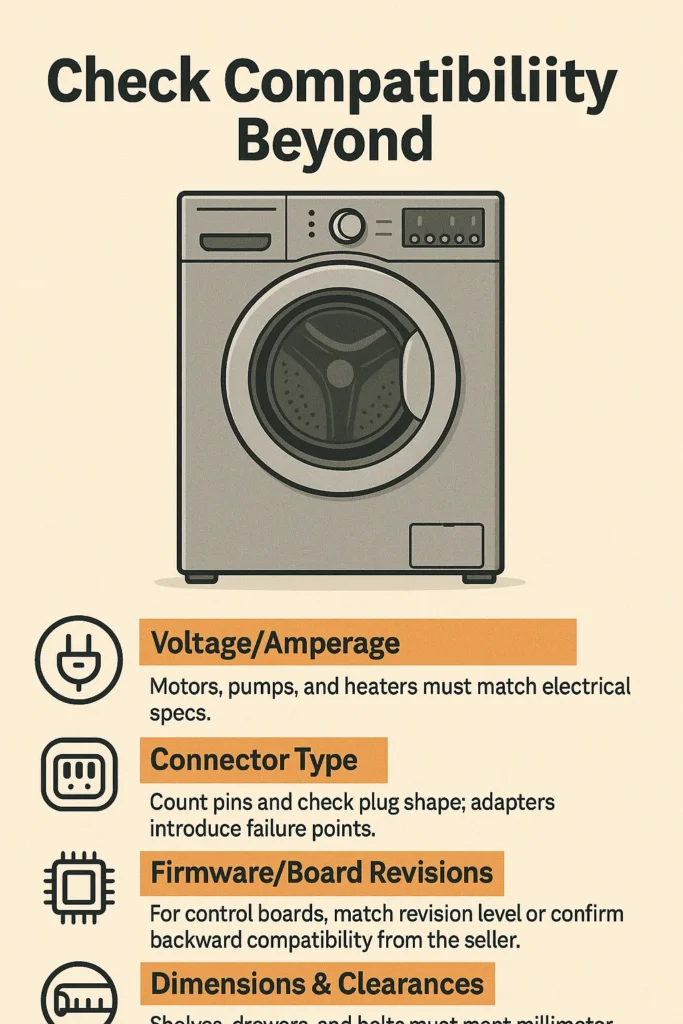
Two parts may fit but act differently under load, so choosing the right Appliance Spare Parts is essential. Even if they look the same, variations in materials, voltage, or firmware affect safety and performance. The wrong part can strain the appliance, shorten its life, or void the warranty. Always verify part numbers, specs, and compatibility for reliable use and durability.
- Voltage/Amperage: Motors, pumps, and heaters must match electrical specs.
- Connector Type: Count pins and check plug shape; adapters introduce failure points.
- Firmware/Board Revisions: For control boards, match revision level or confirm backward compatibility from the seller.
- Dimensions & Clearances: Shelves, drawers, and belts must meet millimeter-level tolerances.
Warranties, Returns, and Packaging

Quality sellers give clear policies for Appliance Spare Parts. These cover compatibility, returns, and warranties. Specs like model numbers and voltage prevent mistakes and ensure safety. Policies protect against fake or poor parts that harm appliances. Clear guidelines ensure the part works with your appliance.
- Warranty Length: 90 days minimum for non-consumables; a year is better for motors/boards.
- Return Window: At least 30 days, with a fair restocking policy if packaging is intact.
- Packaging: Anti-static bags for electronics, molded foam for fragile parts, and tamper seals that don’t block inspection.
Seller Reputation: Signals You Can Trust
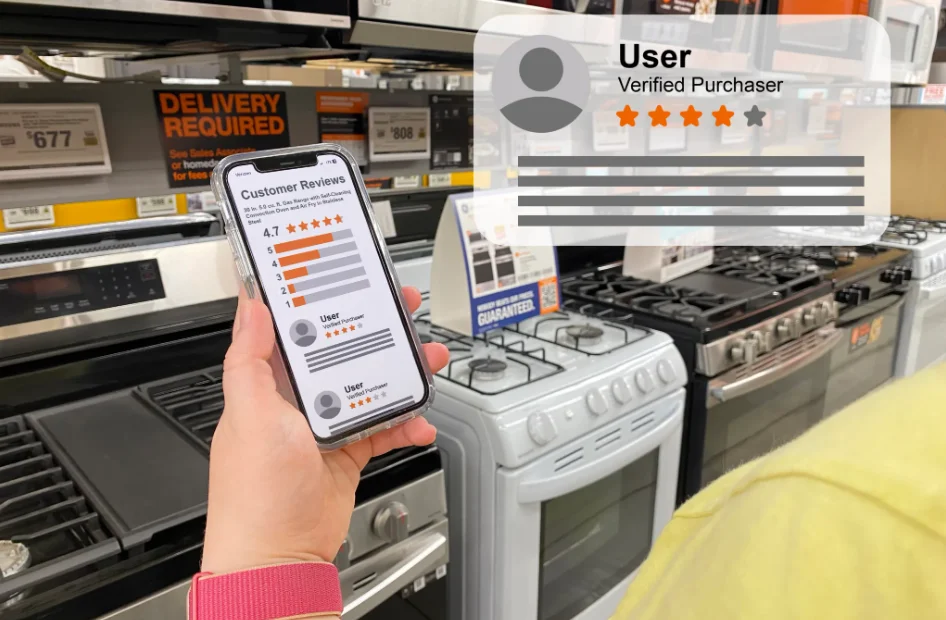
- Detailed Listings: Real photos, full spec tables, and OEM cross-references.
- Support Access: Phone, email, and installation guides or videos.
- Inventory Transparency: Stock status and estimated ship dates.
- Customer Feedback: Look for reviews that reference the same model and report long-term performance, not just “fits.”
If you prefer a professional to verify parts and handle the install, consider Professional Appliance repair—trained technicians can diagnose, source, and warranty the work.
Price: When Cheap Is Expensive

- Too-low pricing: Counterfeits or factory seconds are common; proceed carefully.
- Reasonable savings: 10–30% under OEM can be legit for high-volume aftermarket brands.
- Hidden costs: Factor in shipping, potential returns, and downtime if the part fails early.
Spot the Red Flags (and Walk Away)

- “Universal” claims with no spec sheet
- Blurry or stock-only photos for complex components
- Vague compatibility lists (“fits many models!”)
- No physical address or support line
- Reviews that mention overheating, early failure, or warping
Documentation You Should Expect

- Installation instructions with torque specs or wiring diagrams
- Safety notes (e.g., discharge capacitors, shutoff valves, anti-tip brackets)
- Calibration steps for sensors, ice makers, and control boards
- QR codes or links to videos and troubleshooting checklists
When to Replace the Appliance Instead

If repairs cost over half the price of a new unit—or it’s past its lifespan—replacement is wiser. Appliance Spare Parts help for a time, but repeated fixes waste money. New models save energy, offer rebates, and cut bills. Replacement also saves time and prevents constant breakdowns.
DIY vs. Pro: Make the Call

- DIY makes sense when the part is accessible, the risk is low (shelves, belts, gaskets), and you have clear instructions.
- Call a pro for sealed systems, gas connections, high-voltage boards, or when the symptom might be caused by multiple upstream issues. To schedule service, you can book an appointment in a few clicks.
Installation Tips That Prevent Repeat Failures
- Photograph before disassembly. Cables and hoses love to play musical chairs.
- Use proper tools. Stripped screws and overtightened clamps cause leaks and rattles.
- Replace related wear items. New pump? Check hoses and clamps. New heater? Inspect thermal fuses.
- Calibrate and test. Run diagnostic modes; check for leaks, vibration, and error codes.
Storage & Care for Spare Parts

Keep Appliance Spare Parts in a dry, temperate place to avoid damage from moisture or heat. Store rubber gaskets flat, since bending can cause warping and weaken their seal. Keep electronic parts sealed in anti-static bags to protect against static and dust. Proper storage extends the life of spare parts and ensures they’re reliable when needed.
Quick Buyer’s Checklist (Print This)

- Exact model & serial captured
- Official diagram consulted; part number confirmed
- Specs match (voltage, connectors, dimensions)
- OEM/aftermarket choice justified
- Warranty & return policy verified
- Seller reputation confirmed via detailed listing and support
- Price checked against multiple reputable sources
- Installation instructions available
- Tools and safety steps prepared
Still Unsure Which Part You Need?

If you’re wrestling with part numbers or compatibility, contact us for help verifying the correct component and avoiding costly do-overs.
Frequently Asked Questions
Q1: Are universal parts safe to use?
Sometimes—for hoses, knobs, and basic hardware. For electronics, motors, gas components, or anything safety-critical, avoid “universal” unless the manufacturer explicitly certifies compatibility with your model.
Q2: Is the aftermarket always worse than OEM?
Not always. Some aftermarket brands match OEM quality at lower prices, especially for non-critical parts. Prioritize documented specs, long warranties, and real-world reviews.
Q3: What if my model is discontinued?
Look for superseded part numbers or high-quality refurbished parts with testing documentation. A reputable technician can confirm backward compatibility.
Q4: Can a bad part void my warranty or cause damage?
Yes—especially with electrical boards or sealed-system components. Using the wrong spec can cascade into larger failures. When in doubt, go OEM or consult a pro.
With the right process—identify, verify, evaluate, and only then buy—you’ll avoid the most common pitfalls and keep your appliances humming for years. And if you’d rather skip the detective work, Professional Appliance Repair can handle diagnostics, sourcing, and installation with parts that meet or exceed manufacturer standards.

