

If your GE washer suddenly stops mid-cycle and flashes an error, don’t panic. Error codes are the machine’s way of pointing you—sometimes a bit cryptically—toward the problem. This guide breaks down how GE presents codes, the most common faults on front-load and top-load models, and the practical, safe steps you can take before calling in a technician.
How GE Displays Errors (and why model numbers matter)
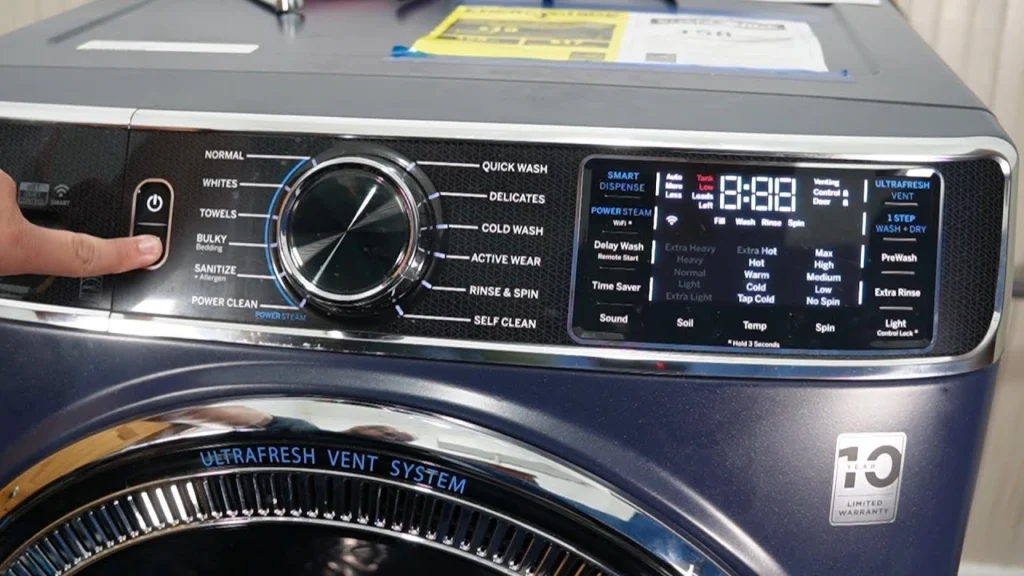
GE uses different styles of error reporting depending on the series:
- Front-load GFW/Profile series typically show numeric codes (e.g., 1, 3, 6, 18, 22…). These map to specific conditions such as lid/door lock faults, motor stalls, drain issues, and out-of-balance detection.
- Top-load GTW series also uses numeric codes with similar meanings, tailored to lid locks, mode shifters, drain, and balance problems.
- Some models display plain-language messages like “H2O SUPPLY” (water fill problem) or lid-open indicators like “dE/E2” on certain space-saving top-loaders.
Because codes vary by series and production year, check your exact model number (usually on the door frame, behind the door, or under the lid). Matching the model to the correct code chart ensures you’re troubleshooting the right issue.
First Things First: Safe Quick Checks
Before deep diagnostics:
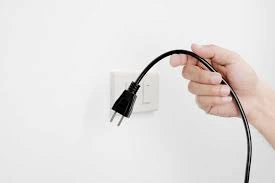
- Power cycle the washer: turn it off, unplug for 2–3 minutes, then plug back in and try a rinse & spin. (This clears transient faults after you fix the root cause.)
- Confirm power and water: both supply valves fully open; hoses not kinked; home water pressure normal.
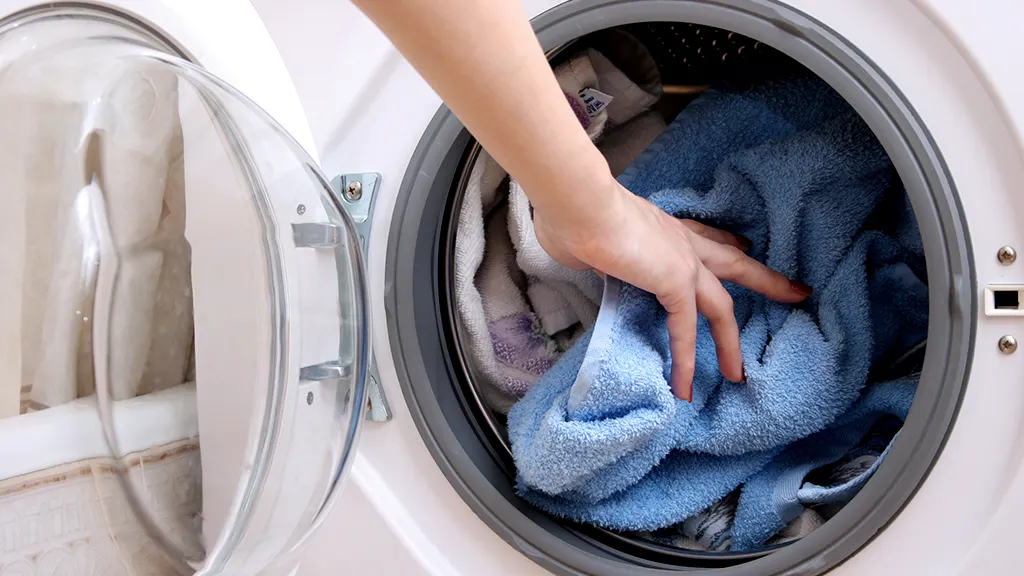
- Level and load: redistribute any heavy, single-item loads (e.g., a wet blanket) and confirm all four feet are firmly on the floor.
- Drain path: ensure the drain hose isn’t kinked or jammed into the standpipe too far (which can cause siphoning).
- Door/Lid: close firmly; look for obstructions at the latch.
If the code immediately returns, use the sections below to target the likely cause.
Common GE Front-Load (GFW) Error Codes & DIY Fixes
Applies broadly to many GFW/Profile front-load models; always verify against your model’s chart.
- 1 — Basket spins with the door unlocked
Usually triggered if the basket was spun by hand. If it appears during spin, unplug and check wiring at the door lock/switch and the main board; replace the lock if wiring is sound. - 2 or 62 — Door lock failure
Inspect harness connections to the door lock/switch; replace the lock if connections are OK. - 3 — Locked motor
Reduce an overloaded load; check that the basket spins freely (no items wedged between the basket and the tub). If free, inspect motor and tachometer wiring; the motor may need replacement if the wiring is intact. - 6 or 20 — Water overflow
First test: With the washer unplugged, does the tub fill? If yes, an inlet valve is leaking—replace it. If not, check the air hose to the control’s water-level sensor; if intact, the control board may be at fault. - 8 — Water level pressure sensor failure
Verify faucets are open, inspect inlet valve screens for debris (replace valves if screens are clogged), confirm wiring to valves and water-level hose; if all checks out, the control may need replacement. - 18 — Not draining
Check for drain clogs/kinks; test the drain pump and its wiring; replace the pump if it won’t run when energized. - 22 — Can’t balance the dry load to start
Redistribute or reduce small, heavy loads; if persistent, inspect for basket binding and motor wiring. - 23 or 24 — Door won’t lock / 32 — Can’t unlock
Inspect/replace the door lock and check the harness to the control. - 25 or 65 — Water level drop detected (siphoning/leak)
Verify correct drain-hose installation height and placement; check for tub leaks; inspect the water-level air hose. - 26 or 31 — Out of balance in final spin
Re-level the washer, redistribute the load, and verify free basket rotation; inspect motor wiring if needed. - 29 — Excessive suds
Let suds dissipate; use only HE detergent and measure carefully. - 30 — Stuck key
If a key is physically fine, the UI board or main control may need service.
Common GE Top-Load (GTW) Error Codes & Fixes
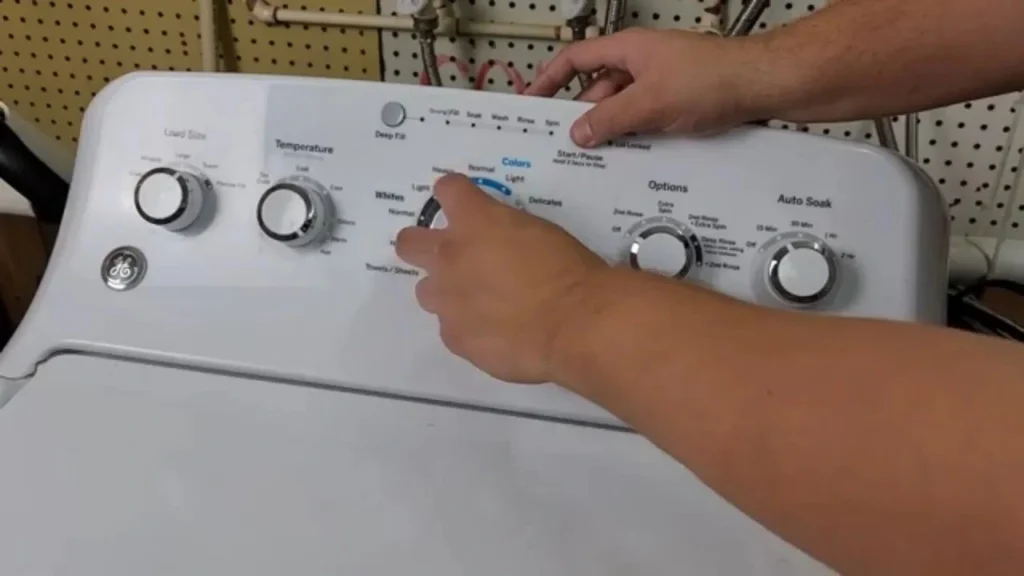
- 1 — Basket spins with lid unlocked / 2 — Lid lock failure
Inspect wiring to the lid-lock assembly; replace the lock if wiring is good. - 3 — Locked motor
Remove overload; check for binding; inspect motor and start capacitor (model-dependent). - 4 — Software reset
Informational after diagnostics/power-up; no action needed. - 5 or 10 — Mode shifter failure
Verify harness; check coil resistance (~5.7 kΩ typical); replace mode shifter if out of spec. - 6 — Overflow / 8 — Water-level sensor failure
Same approach as front-load: evaluate inlet valves, water-level air hose, and control. - 16 or 18 — Not draining
Clear drain path; test/replace drain pump and confirm wiring. - 19 — Paused >24 hours or water in tub while off
Restart promptly; if the tub fills while off/unplugged, replace the inlet valve. - 22 — Can’t balance to start / 26 or 31 — Out of balance
Re-level feet, redistribute load, and confirm free basket. - 27 — Lid open >15 minutes with water in tub
Close lid and resume; if the tub isn’t actually full, inspect the water-level sensing hose/control. - 29 — Excessive suds / 30 — Stuck key
Reduce detergent; diagnose UI board, harness, or main control if key remains “stuck.”
“Message” Codes You’ll See Often

- H2O SUPPLY (front loaders; some others): The washer can’t fill properly—either the water is off/restricted or the pressure sensor/control isn’t seeing the water level change. Confirm faucets are open, hoses aren’t kinked, and inlet screens aren’t clogged; if the message persists with good flow, the sensor/control may be faulty.
- dE or E2 (certain space-saving top-load models): The lid was opened, causing the washer to pause; codes flash for ~30 seconds and then the cycle stops unless you close the lid and press Start.
Tip: Many GE models also store a fault history accessible via service mode; if you’re comfortable, your tech sheet (often inside the cabinet) shows the key sequence. Otherwise, a pro can pull this data quickly.
How to Clear an Error Code
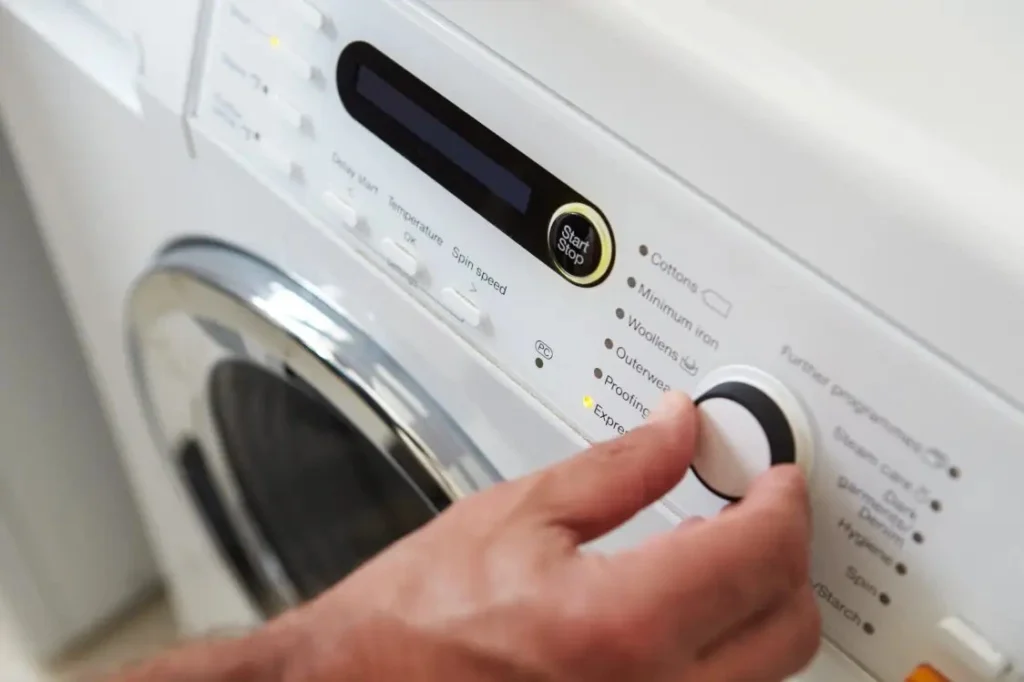
Codes usually clear themselves once the root problem is fixed. If the control remains latched:
- Power the unit off; unplug it for a couple of minutes.
- Restore power and run Rinse & Spin with no clothes.
- If the code returns immediately, continue targeted troubleshooting above—or call a technician.
Preventive Maintenance That Actually Works
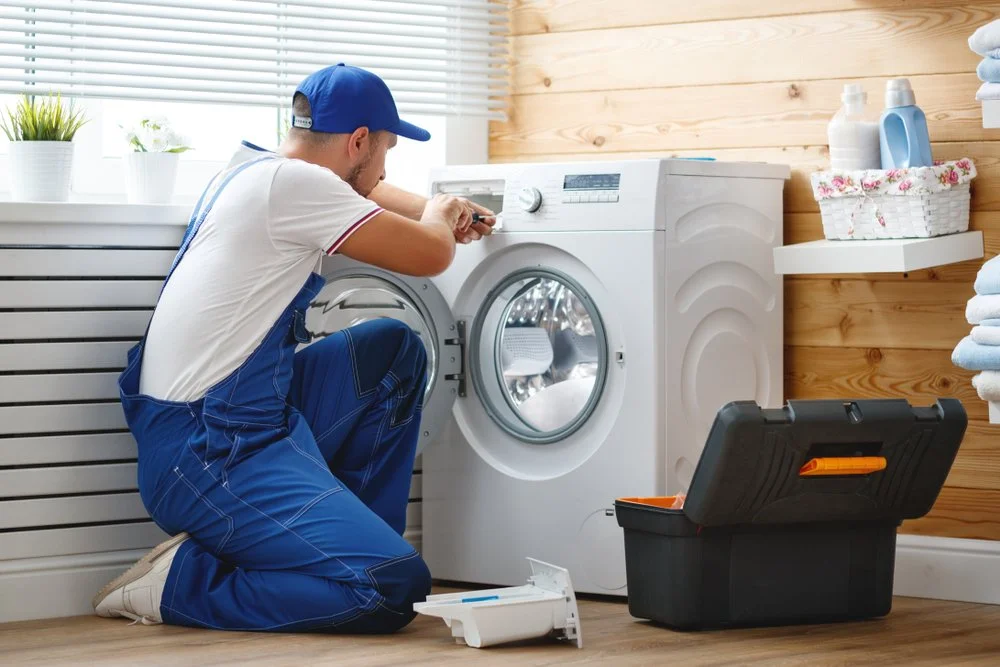
- Use HE detergent—and less of it. Excess suds trigger drain and balance faults.
- Level the washer and avoid small, heavy loads (like a single bath mat).
- Clean inlet screens annually; replace valves if screens are clogged.
- Inspect hoses for bulges/kinks; replace rubber hoses every 5 years (stainless braided preferred).
- Keep the door ajar after use on front loaders to reduce odors and sensor confusion from residual moisture.
When to Call a Professional
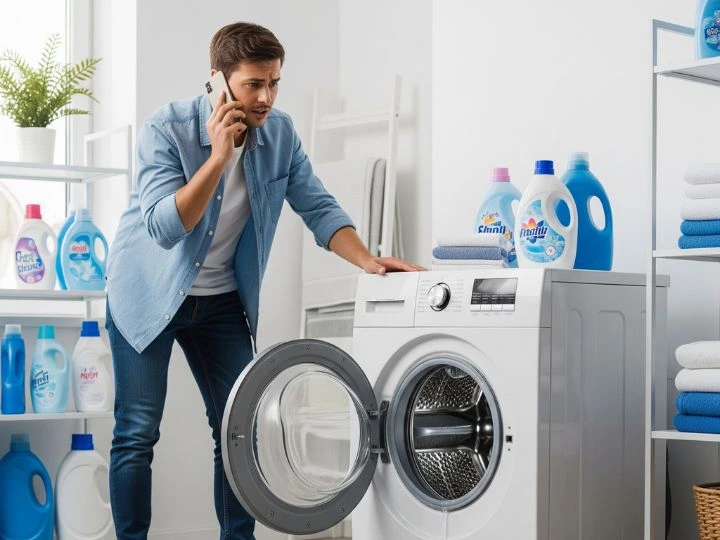
If your washer won’t unlock/lock, won’t drain, repeatedly overfills, or shows recurring motor/board errors, it’s time for expert diagnostics. You can request Professional Appliance repair, schedule service online via Book an appointment, reach out for quick answers through Contact us, or go straight to their washer repair page for model-specific help.
Quick Reference: Most-Seen Causes vs. Fast Fix
- Not filling / H2O SUPPLY → Open both faucets fully, straighten hoses, replace clogged inlet valves if needed.
- Won’t drain (16/18) → Clear hose/standpipe, check for coins in pump, test/replace drain pump.
- Door/Lid won’t lock (2/23/24) → Inspect harness; replace lock.
- Out-of-balance (26/31) → Re-level machine; redistribute load; inspect suspension if chronic.
With the right model chart and a few careful checks, many GE washer codes are user-resolvable. And when they aren’t, a seasoned technician can pinpoint the failed part quickly—saving you time, laundry pile-ups, and guesswork.

